How to Use the Cash Envelope System to Control Your Spending and Save $500 This Month
📌 PIN TITLE: How to Use the Cash Envelope System to Control Your Spending and Save $500 This Month
📌 PIN DESCRIPTION (copy-paste to Pinterest):
How to Use the Cash Envelope System to Control Your Spending — Discover practical steps to save $500 this month. This guide is perfect for anyone looking to manage their finances better. Save this pin for later! 💰
#CashEnvelopeSystem #Budgeting #SaveMoney #FinancialControl #MoneyManagement
Feeling overwhelmed by your monthly expenses and wondering where all your money goes? The cash envelope system can help you take control of your spending and save $500 this month. In this guide, you’ll discover how to implement this effective budgeting method and gain clarity over your finances.
Many people struggle with budgeting, often feeling it’s too complicated or restrictive. But I’ve seen countless families successfully use this method to manage their finances and achieve their savings goals. Let’s dive into how you can start using the cash envelope system effectively.
💰 Income range covered: Save $500/month
⚡ Fastest method to start: Implementing today
👶 Mom-friendly: Yes — flexible for busy schedules
Why This Works for Families
- ✅ Helps visualize spending by using physical cash
- ✅ Creates a clear budget that’s easy to follow
- ✅ Encourages mindful spending and reduces impulse purchases
- ✅ Allows flexibility to adjust categories as needed
- ✅ Quick and easy to implement for immediate results
How to Use the Cash Envelope System
1. Set Your Budget Categories — Define Your Spending Limits
💰 Earning potential: Save $500/month | ⏱️ Time to first income: Immediate | 💵 Startup cost: Free
The first step in the cash envelope system is to identify your budget categories. Common categories include groceries, dining out, entertainment, and transportation. This method works because it allows you to see exactly how much you are spending in each area. For example, if you allocate $200 for groceries, you can physically see that money in your envelope and use it accordingly.
To start, write down your monthly expenses and categorize them. Then, decide how much cash to allocate to each envelope. Avoid assigning too many categories initially; focus on the main areas where you tend to overspend.
💡 Pro Tip: Start with 3-5 categories to avoid overwhelming yourself. You can always adjust later.
2. Withdraw Your Cash — Stick to the Budget
💰 Earning potential: Save $500/month | ⏱️ Time to first income: Immediate | 💵 Startup cost: Free
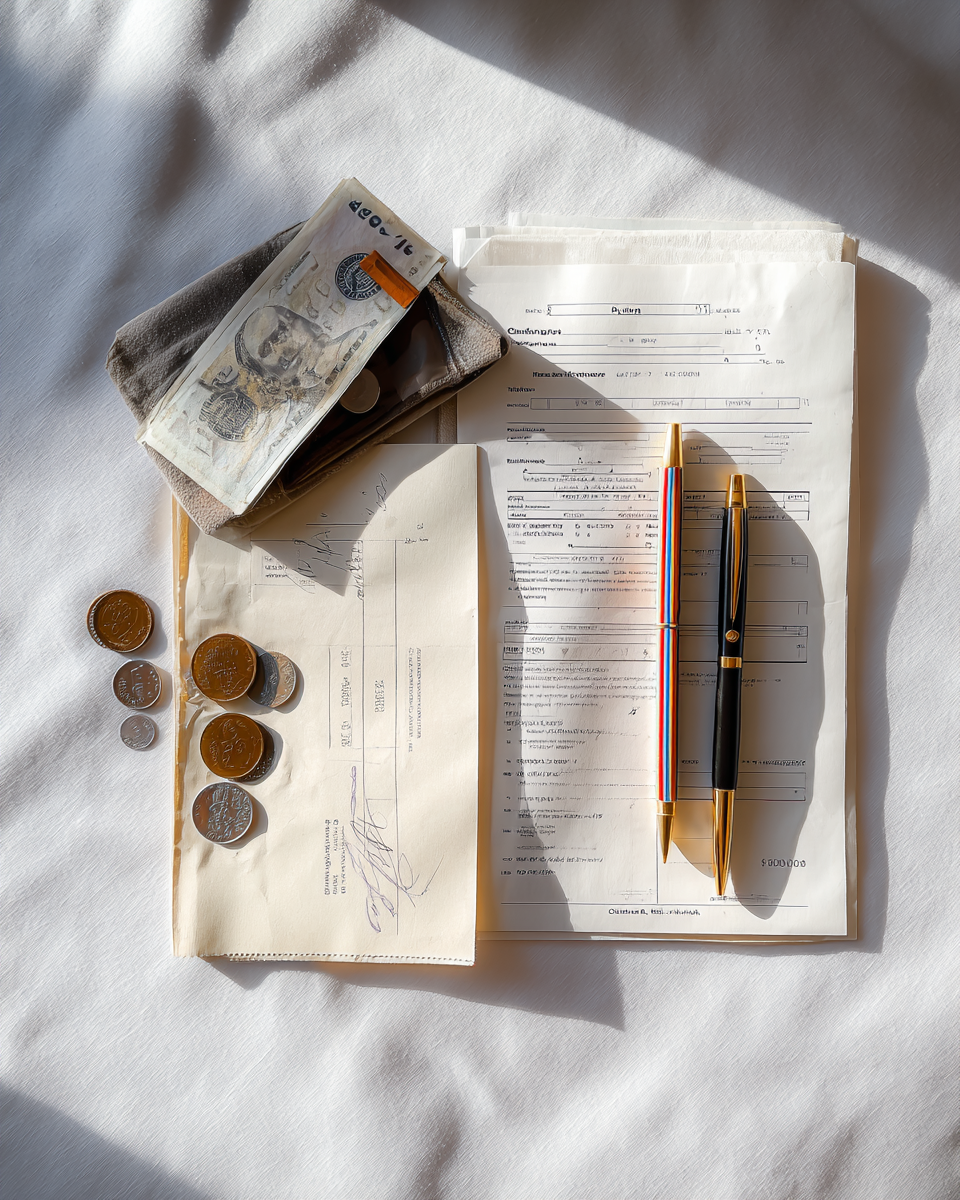
Once you’ve defined your budget categories, withdraw the total amount of cash needed for the month. You can do this from an ATM or bank. The key is to only use cash from your envelopes and not to dip into other funds. This physical separation of money helps reinforce your budget and spending limits.
Make it a habit to only spend what’s in each envelope. If you run out of cash in one category, you’ll have to adjust your spending in another area for the rest of the month. This encourages better financial discipline and decision-making.
💡 Pro Tip: Use a small wallet or purse to carry only your envelope cash for easy access and to avoid overspending.
3. Track Your Spending — Adjust as Needed
💰 Earning potential: Save $500/month | ⏱️ Time to first income: Immediate | 💵 Startup cost: Free
Keep track of your spending by noting down what you spend from each envelope. This will help you stay accountable and allow you to adjust your budget categories if needed. If you find that you consistently go over budget in one area, consider increasing that envelope’s allocation for the next month.
At the end of the month, review your envelopes. If you have cash left over, consider rolling it over to the next month or using it for savings. This method helps reinforce good spending habits and encourages you to save more over time.
💡 Pro Tip: Use a simple app or spreadsheet to track your spending for a more visual approach.
Which Method Should YOU Start With?
Feeling overwhelmed with options is common, but don’t worry! Here’s how to simplify your choices:
- 🕐 If you have less than $1000/month income: Start with groceries, entertainment, and transportation.
- ⚡ If you need to save quickly: Focus on cutting back on dining out and entertainment.
- 💰 If you want long-term budgeting: Add categories like savings and emergencies in future months.
- 👶 If you have kids at home: Include a category for kid-related expenses such as activities or supplies.
- 🎓 If you have zero budgeting experience: Stick to the essentials like groceries and bills to begin.
Remember, the key is to pick one or two categories to start with and build from there.
Mistakes That Stop Most Families From Saving
It’s common to make mistakes when starting a new budgeting system, and it’s okay! Here are some pitfalls to avoid:
- ❌ Using credit cards instead of cash: This defeats the purpose of the cash envelope system. Stick to cash only.
- ❌ Overcomplicating categories: Too many envelopes can lead to confusion. Start simple.
- ❌ Not tracking your spending: This can lead to overspending. Keep a log of your purchases.
- ❌ Giving up too quickly: Budgeting takes time to adjust. Stick with it for at least three months.
By avoiding these mistakes, you’re more likely to succeed with the cash envelope system!
Frequently Asked Questions
Can the cash envelope system really help me save money?
Yes! Many families have successfully saved $500 or more by using this method. The key is sticking to the cash limits you set.
How long does it take to see results with the cash envelope system?
Some users see results within the first month, while others may take a few months to adjust. Consistency is crucial.
Do I need special envelopes for this system?
No, you can use any envelopes or small containers you have at home. The physical separation of cash is what matters.
Is it hard to stick to the cash envelope system?
It can be challenging at first, but many find it easier than traditional budgeting once they get used to it.
What is the best way to start using this system?
The best way is to start small with just a few categories and gradually expand as you become more comfortable.
Learning how to use the cash envelope system to control your spending is a practical way to achieve financial freedom and save $500 this month. The main takeaway is to start with a few budget categories and stick to your cash limits.
Begin implementing this system today — it simply requires cash and your commitment. Which method will you try first? Tell us in the comments! And save this post to your ‘Budgeting Tips’ board so you can come back to it!