
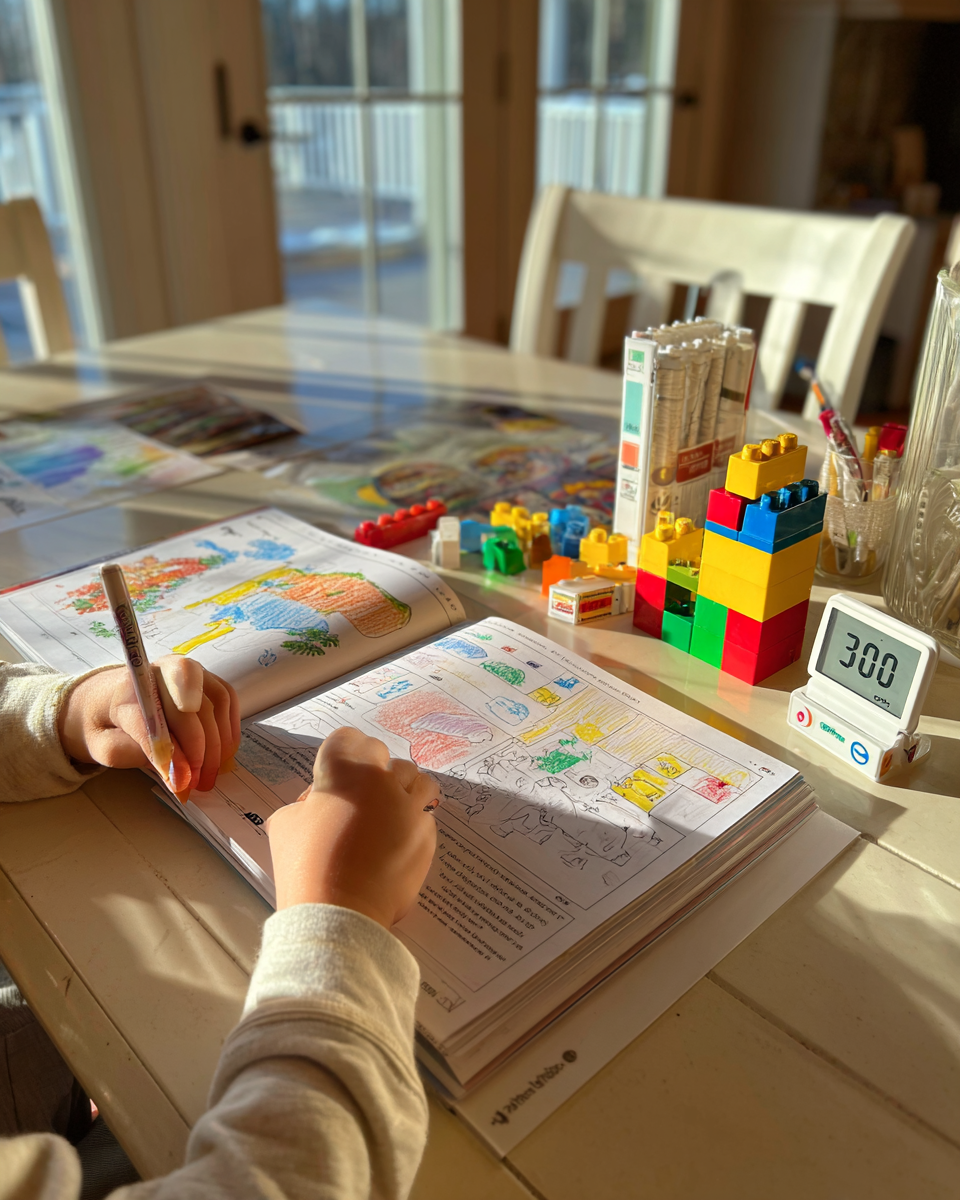
10 Fun Learning Activities for Kids That Save You 30 Minutes Daily (Even If You’re Busy)
Finding time for educational activities can feel impossible when you’re juggling a busy schedule. But here’s the good news: fun learning activities for kids that save you 30 minutes daily are not only achievable, but they can also make learning enjoyable. In this article, you’ll discover 10 engaging activities that can seamlessly fit into your family’s routine.
As a parent myself, I understand the struggle of trying to balance work, household chores, and keeping kids entertained. That’s why I’ve researched and tested these activities, and I can confidently say they work wonders. Each method is tailored for busy families, ensuring you can incorporate them without feeling overwhelmed.
💰 Time saved: 30 minutes daily
⚡ Fastest method to start: Activity #1
👶 Kid-friendly: Yes — all activities are designed for children.
Why These Activities Work for Busy Parents
- ✅ These activities can be done in less than 30 minutes.
- ✅ They require minimal setup and can often be done with household items.
- ✅ Most activities promote both fun and learning simultaneously.
- ✅ They are suitable for kids of various age groups.
- ✅ You can easily integrate them into daily routines, such as during meals or before bedtime.
10 Fun Learning Activities for Kids That Save You 30 Minutes Daily
1. DIY Science Experiments — Spark Curiosity
💰 Earning potential: N/A | ⏱️ Time to first income: N/A | 💵 Startup cost: Free
This method lets you engage your kids with simple DIY science experiments using household items. For example, you can create a volcano using baking soda and vinegar. Kids learn basic scientific principles while having fun.
To start, gather materials like baking soda, vinegar, and food coloring. Follow online tutorials for ideas. A common mistake is overcomplicating the setup — keep it simple!
💡 Pro Tip: Set up these experiments during snack time to keep kids engaged.
2. Story Time with a Twist — Foster Imagination
💰 Earning potential: N/A | ⏱️ Time to first income: N/A | 💵 Startup cost: Free
You can turn story time into an interactive experience by asking kids to predict what happens next or change the ending. This enhances their critical thinking and creativity.
Choose a favorite book and introduce prompts. If you notice your kids zoning out, switch to high-energy stories or add sound effects to keep them engaged.
3. Nature Scavenger Hunt — Explore the Outdoors
💰 Earning potential: N/A | ⏱️ Time to first income: N/A | 💵 Startup cost: Free
This activity encourages kids to explore nature while learning about plants, animals, and ecosystems. Create a simple checklist of items to find in your backyard or local park.
Prepare a scavenger hunt list featuring common items like leaves, rocks, and flowers. Make sure to take a bag for collecting items. A common mistake is making the list too long — keep it short and sweet!
💡 Pro Tip: Use a timer to create excitement and a sense of urgency during the hunt.
4. Cooking Together — Learn While You Bake
💰 Earning potential: N/A | ⏱️ Time to first income: N/A | 💵 Startup cost: Free
Involve your kids in meal prep or baking sessions. They can learn measurements, counting, and following directions while having fun. Plus, you get a delicious treat at the end!
Choose simple recipes that require minimal ingredients. Always supervise closely and ensure safety. Avoid overly complicated recipes that may lead to frustration.
5. Art Projects — Unleash Creativity
💰 Earning potential: N/A | ⏱️ Time to first income: N/A | 💵 Startup cost: Low
Encourage your kids to express themselves through art. You can set a theme for the day, such as “nature” or “family,” and let them create using various art supplies.
Organize a mini art gallery at home to display their work. Avoid overwhelming them with too many materials at once; focus on a few key supplies instead.
6. Educational Games — Learning Through Play
💰 Earning potential: N/A | ⏱️ Time to first income: N/A | 💵 Startup cost: Free
Utilize board games, card games, or online educational games to teach math, reading, or critical thinking skills. Kids learn best when they’re having fun!
Choose age-appropriate games and set time limits to keep it engaging. A common mistake is allowing too much downtime in between games; keep the momentum going!
7. Puzzle Challenges — Build Problem-Solving Skills
💰 Earning potential: N/A | ⏱️ Time to first income: N/A | 💵 Startup cost: Low
Puzzles are a great way to promote cognitive skills. You can work together with your kids on puzzles or let them solve them independently to boost their confidence.
Start with age-appropriate puzzles. Avoid giving too many hints; encourage them to think critically. This builds resilience and problem-solving skills.
8. Music and Movement — Get Active!
💰 Earning potential: N/A | ⏱️ Time to first income: N/A | 💵 Startup cost: Free
Create a mini dance party where kids can learn about rhythm and movement. Playing musical chairs or freeze dance can keep them active while learning coordination.
Select fun and upbeat music. Avoid long sessions; keep it dynamic and lively to hold their attention. This also promotes physical exercise.
9. Gardening Together — Learn About Nature
💰 Earning potential: N/A | ⏱️ Time to first income: N/A | 💵 Startup cost: Low
Gardening teaches kids about responsibility and the environment. Start with easy-to-grow plants like herbs or flowers. They’ll learn patience and the science behind plant growth.
Equip them with small tools and encourage them to take charge of their own plants. Avoid overwhelming them with too many tasks — keep it simple.
10. Mindfulness Moments — Promote Calmness
💰 Earning potential: N/A | ⏱️ Time to first income: N/A | 💵 Startup cost: Free
Teach your kids mindfulness techniques through simple breathing exercises or guided imagery. These moments can help them manage stress and improve focus.
Practice mindfulness together for a few minutes daily. Avoid long sessions; keep it short and sweet to maintain engagement.
Which Method Should YOU Start With?
Having so many options can feel overwhelming, but choosing the right activity can simplify your life.
- 🕐 If you have less than 10 minutes: Start with the Mindfulness Moments.
- ⚡ If you’re looking for an immediate fun factor: Try DIY Science Experiments.
- 💰 If you want to incorporate learning into daily chores: Cooking Together is ideal.
- 👶 If you have toddlers: Story Time with a Twist is the best fit.
- 🎓 If you want to promote creativity: Go with Art Projects.
Remember, the key is to pick one activity and start today!
Mistakes That Stop Most Parents From Saving Time with Learning Activities
It’s common to feel discouraged, but these mistakes can be easily avoided.
- ❌ Overcomplicating activities: This can lead to frustration; keep things simple.
- ❌ Trying too many activities at once: Focus on mastering one before moving on.
- ❌ Expecting instant results: Learning takes time; be patient with your child’s progress.
- ❌ Ignoring their interests: Tailor activities to what your kids enjoy to keep them engaged.
Now, let’s move on to some common questions!
Frequently Asked Questions
Can fun learning activities really save time in my daily routine?
Yes — these activities are designed to be quick and engaging, allowing you to save at least 30 minutes daily.
How long does it typically take to see results from these activities?
Most activities can show improvements in engagement and learning within a few days to weeks, depending on consistency.
Do I need any special materials for these activities?
No. Most activities use everyday household items, making them easy and cost-effective to implement.
What if my child doesn’t enjoy the suggested activities?
It’s important to try different activities to find what resonates with your child. Keep it fun and flexible!
Which activity is best for immediate engagement?
The DIY Science Experiments typically spark immediate interest and excitement among children.
Incorporating fun learning activities for kids that save you 30 minutes daily is not only possible but can also enhance your child’s education. Choose one activity that fits your schedule, and enjoy the benefits of learning together. Start with the DIY Science Experiments today — they require minimal setup and maximum fun!
What activity will you try first? Tell us in the comments! 😊 And don’t forget to save this post to your “Kid Activities” board on Pinterest!