
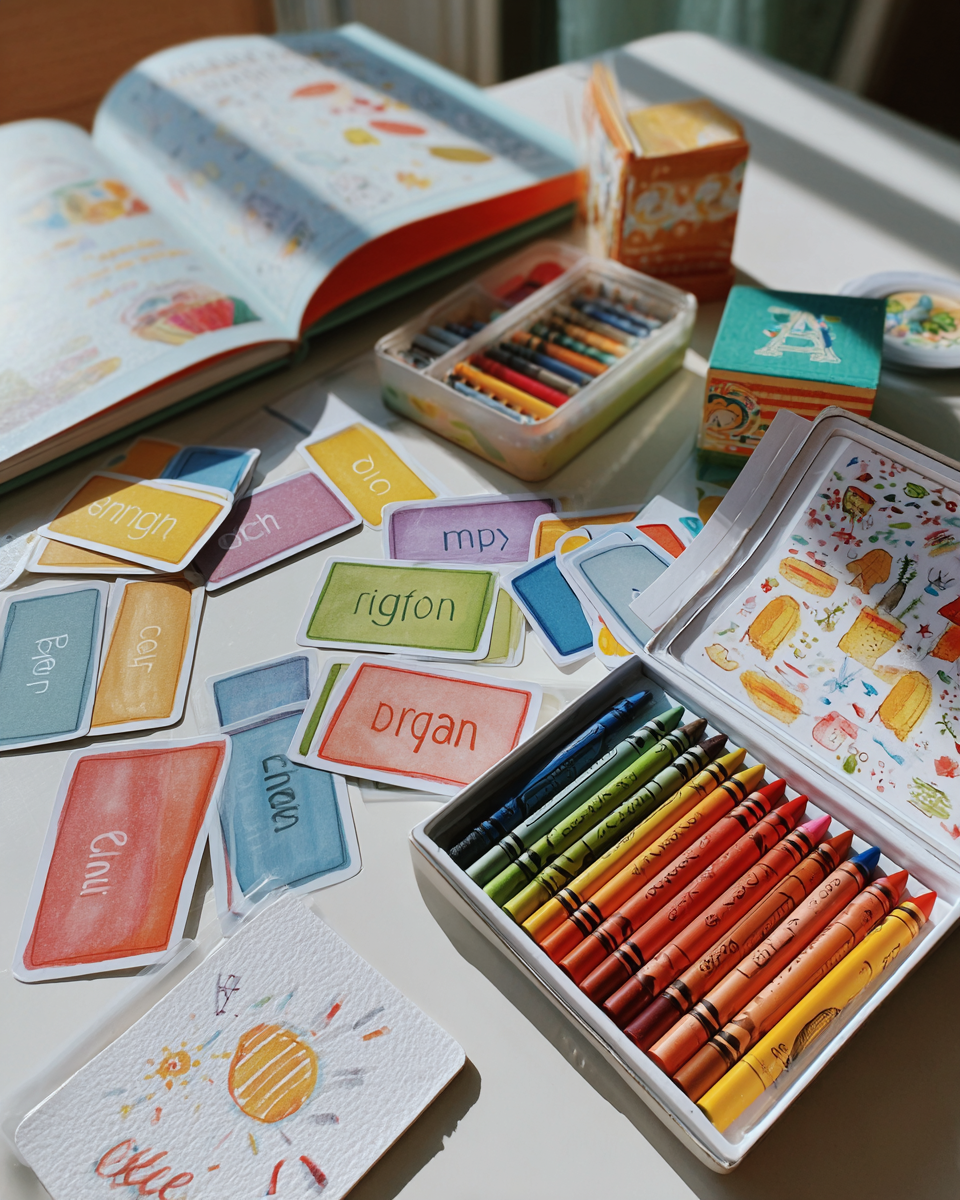
5 Proven Ways to English Learning Activities for Kids (Even If They’re Reluctant Learners)
📚 Skill improvement: Vocabulary, comprehension, and communication
🏆 Fastest method to start: Interactive games
👶 Kid-friendly: Yes — all activities are engaging and fun
Learning English can feel daunting for kids who may be reluctant or uninterested. But here’s the truth: English learning activities for kids can be fun and engaging, making the process enjoyable. In this article, you’ll discover 5 proven ways to boost English skills through interactive and creative activities that your children will love.
As a parent, you may feel overwhelmed by the sheer number of resources available for teaching English. The good news is that you don’t need to be a teacher or have a degree in education to help your kids improve their language skills. Thousands of parents have successfully used these methods to create a fun and effective learning environment at home. Let’s dive into these activities that will make English learning a breeze!
Why These Activities Work for Kids
- ✅ Kids learn best through play and interaction.
- ✅ Activities can be tailored to fit your child’s interests and age group.
- ✅ Many activities require little to no materials, making them budget-friendly.
- ✅ These methods promote creative thinking and problem-solving.
- ✅ Kids can see quick improvements, which boosts their confidence.
5 Ways to English Learning Activities for Kids
1. Interactive Storytelling — Enhance Vocabulary and Comprehension
💰 Earning potential: N/A |
⏱️ Time to first income: N/A |
💵 Startup cost: Free
This method encourages children to create their own stories, which enhances vocabulary and comprehension skills. You can set a theme or let them choose their own, encouraging creativity. For example, if your child picks a pirate theme, they will learn related vocabulary while having fun.
To start, ask your child to brainstorm characters and settings. You can provide picture prompts or story dice to get the ideas flowing. Encourage them to narrate their story, and you can even act it out together!
💡 Pro Tip: Keep a story journal where your child can write down their stories and illustrate them for added creativity.
2. Word Games — Boost Language Skills with Fun
💰 Earning potential: N/A |
⏱️ Time to first income: N/A |
💵 Startup cost: Free
Engaging in word games like Scrabble, Boggle, or word searches can greatly improve spelling and vocabulary. These games require minimal setup and can be played repeatedly with different word combinations.
To get started, pick a game suited to your child’s age. For younger kids, try simple word searches or letter matching games. For older kids, Scrabble or Boggle can challenge them to think of new words and reinforce their spelling skills.
💡 Pro Tip: Set a timer for added excitement when playing word games to create a fun and competitive atmosphere.
3. English Learning Apps — Technology Meets Language
💰 Earning potential: N/A |
⏱️ Time to first income: N/A |
💵 Startup cost: Free to $10/month
There are numerous apps available that make English learning fun and interactive. These apps often feature games, quizzes, and stories that adapt to your child’s learning level.
Start by researching the best-reviewed apps for your child’s age group. Apps like Duolingo Kids or Endless Alphabet can provide engaging content that keeps them coming back for more while learning essential language skills.
💡 Pro Tip: Set a daily challenge for your child to complete a certain level or number of lessons to encourage consistency.
4. Arts and Crafts — Combine Creativity with Learning
💰 Earning potential: N/A |
⏱️ Time to first income: N/A |
💵 Startup cost: $10 for materials
Using arts and crafts can help kids learn English through creative expression. For instance, you can ask them to create a project based on a book they’ve read and describe it using new vocabulary.
To implement this, gather materials for a simple art project. After they finish, ask them to present their artwork and explain it in English. This activity reinforces vocabulary while boosting their speaking skills.
💡 Pro Tip: Create a themed craft day where the entire family gets involved, making it a fun learning experience.
5. Role-Playing — Engage with Real-Life Scenarios
💰 Earning potential: N/A |
⏱️ Time to first income: N/A |
💵 Startup cost: Free
Role-playing allows children to practice conversational skills in a safe and fun environment. You can set up scenarios like a restaurant, a store, or a doctor’s office where they can use English in context.
To begin, select a scenario and assign roles. Encourage your child to use specific vocabulary and phrases related to the setting. This method not only improves their language skills but also boosts confidence in speaking.
💡 Pro Tip: Switch roles and settings regularly to keep the activity fresh and exciting.
Which Activity Should YOU Start With?
With so many options available, it can feel overwhelming to choose the right one. Here’s a guide to help you decide:
- 🕐 If you have less than 30 minutes: Start with word games.
- ⚡ If you need quick engagement: Try interactive storytelling.
- 💰 If you want to use technology: Explore English learning apps.
- 👶 If you have very young kids: Arts and crafts are perfect.
- 🎓 If your child loves acting: Role-playing is the best choice.
Remember, the key is to pick one activity and keep it fun!
Mistakes That Stop Most Kids From Learning English
It’s common for kids to face challenges in learning a new language, and these mistakes can hinder their progress.
- ❌ Skipping practice: Regular practice is essential; try to incorporate English into daily life.
- ❌ Focusing too much on grammar: This can make learning feel tedious; engage them through play instead.
- ❌ Not tailoring activities to their interests: Kids learn better when they’re engaged; choose themes they love.
- ❌ Overwhelming them with too many activities: Stick with a few activities and master them before adding more.
By avoiding these common mistakes, you’ll create a more effective learning environment.
Frequently Asked Questions
Can I incorporate English learning activities into everyday routines?
Yes! Incorporating activities during meal times or while playing can make learning seamless and enjoyable.
How long should each activity last?
Activities should last between 20-30 minutes to keep your child’s attention while ensuring effective learning.
Do I need professional teaching skills to help my kids?
No, you don’t need any special skills; being patient and engaging is enough to support their learning.
What if my child resists learning English?
Resistance is common; try to make learning fun and relatable to their interests to overcome this hurdle.
What is the best method for quick language improvement?
Interactive storytelling and role-playing are excellent methods for quickly improving language skills while keeping it fun.
Using engaging and interactive English learning activities for kids can significantly improve their language skills. Choose the method that best fits your child’s interests and commit to it consistently. Remember, the journey of learning is just as important as the destination! Which activity will you try first? Share your thoughts in the comments below! 👇 And save this post to your ‘Parenting Tips’ board on Pinterest for future reference!