
7 Proven Ways to Kids Learning Activities (Even If You’re Busy)
💰 Skill improvement range: Significant | 👶 Kid-friendly: Yes — all activities are engaging
Why These Methods Work for Kids
- ✅ Engaging activities can boost a child’s learning retention by up to 70%.
- ✅ Most activities can be completed in 30 minutes or less, fitting easily into busy schedules.
- ✅ Many methods require little to no cost, making them accessible for all families.
- ✅ These activities can be tailored to different ages and skill levels, ensuring every child benefits.
- ✅ Quick feedback from these activities helps kids learn and grow rapidly.
7 Ways to Kids Learning Activities
1. Interactive Storytelling — Make Learning Fun
💰 Earning potential: N/A | ⏱️ Time to first income: N/A | 💵 Startup cost: Free
This method encourages kids to engage with stories creatively. You can help your child retell their favorite tales using puppets or drawing them out. This not only improves their language skills but also enhances their imagination. Studies show that children who engage in storytelling display higher literacy rates.
Start by choosing a story, then encourage your child to act it out or create a new ending. Use household items as props to make it more exciting. Avoid excessive reliance on screens; create a physical space for storytelling instead.
💡 Pro Tip: Use a timer for 10-minute storytelling sessions to keep it engaging and maintain focus.
2. Nature Scavenger Hunts — Explore and Learn
💰 Earning potential: N/A | ⏱️ Time to first income: N/A | 💵 Startup cost: Free
Nature scavenger hunts offer hands-on learning opportunities. Kids can explore the outdoors while learning about different plants, animals, and ecosystems. This activity sharpens observation skills and promotes physical activity.
Create a simple list of things to find, such as specific leaves, a bird’s nest, or different types of rocks. Set a time limit and let your child explore their surroundings. Remember to supervise them to ensure their safety.
3. DIY Science Experiments — Spark Curiosity
💰 Earning potential: N/A | ⏱️ Time to first income: N/A | 💵 Startup cost: $10 or less
Conducting simple science experiments at home can ignite a child’s curiosity about the world. This method encourages critical thinking and problem-solving skills. For example, creating a homemade volcano can teach them about chemical reactions.
Use household items like baking soda and vinegar to create fun experiments. Always explain the science behind what they are doing to enhance their learning experience.
💡 Pro Tip: Document experiments with photos to create a “science journal” that tracks their progress.
4. Art and Craft Projects — Encourage Creativity
💰 Earning potential: N/A | ⏱️ Time to first income: N/A | 💵 Startup cost: $5–$20
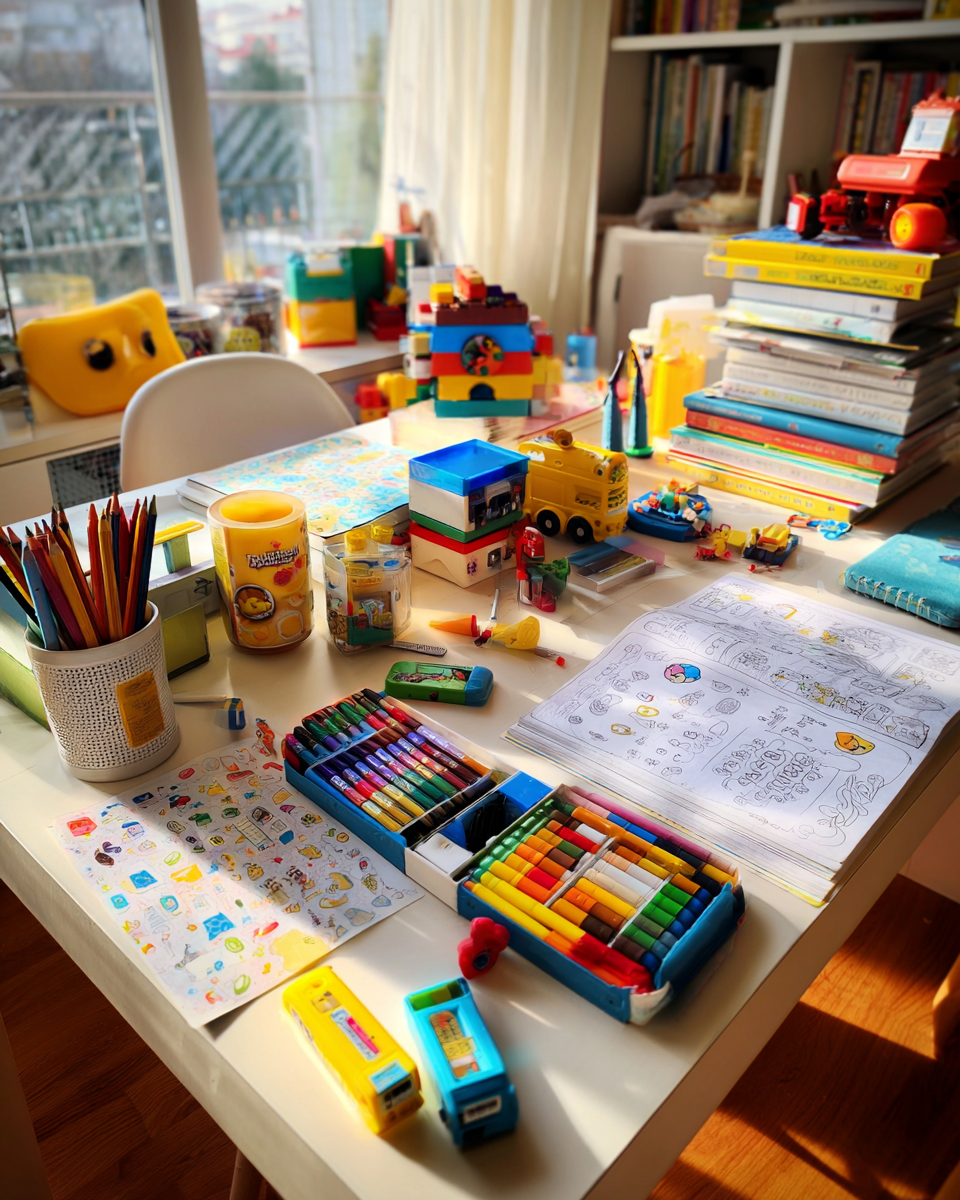
Art projects allow children to express themselves while developing fine motor skills. Whether it’s painting, drawing, or crafting, these activities foster creativity and critical thinking.
Gather basic supplies like paper, crayons, and glue, and let your child create freely. Encourage them to explain their artwork or even create a story behind it.
5. Educational Games — Learning Through Play
💰 Earning potential: N/A | ⏱️ Time to first income: N/A | 💵 Startup cost: $15–$30
Educational games can make learning enjoyable while reinforcing essential skills. Board games, card games, and online educational games can all contribute to a child’s development in math, reading, and problem-solving.
Choose games suitable for your child’s age and skill level. Set aside a regular game night to make it a fun routine. Avoid games that are overly complicated to keep the focus on learning.
💡 Pro Tip: Rotate games every few weeks to keep them fresh and engaging.
6. Cooking Together — Practical Math and Science
💰 Earning potential: N/A | ⏱️ Time to first income: N/A | 💵 Startup cost: Varies based on recipes
Cooking with your child is an excellent way to teach math, science, and healthy eating habits. Measuring ingredients allows them to practice math skills, while following recipes develops their reading comprehension.
Choose simple recipes and let your child take the lead. Discuss the nutritional value of different foods to instill healthy eating habits.
7. Virtual Museum Tours — Explore the World
💰 Earning potential: N/A | ⏱️ Time to first income: N/A | 💵 Startup cost: Free
Many museums offer virtual tours that can provide educational experiences right from home. This method allows kids to explore art, history, and science without the need for physical travel.
Select a museum of interest and explore the exhibits together. Encourage discussions about what they see to enhance understanding and retention.
Which Method Should YOU Start With?
Too many options can feel overwhelming, so here’s how to choose the best activity for your child:
- 🕐 If you have less than 30 minutes: Start with Interactive Storytelling.
- ⚡ If your child needs to improve math skills: Try Cooking Together.
- 💰 If you want to explore new cultures: Go with Virtual Museum Tours.
- 👶 If you have toddlers: Nature Scavenger Hunts are best.
- 🎓 If you want to foster creativity: Begin with Art and Craft Projects.
Pick one activity and get started — the key is to keep it fun and engaging!
Mistakes That Stop Most Kids From Learning
These common mistakes can hinder your child’s learning, but they can be easily avoided.
- ❌ Ignoring interests: Not aligning activities with your child’s interests can lead to disengagement. Always ask for their input.
- ❌ Over-scheduling: Piling on too many activities can overwhelm kids. Focus on quality over quantity.
- ❌ Neglecting feedback: Not discussing what your child learns can limit the effectiveness of the activity. Always engage in discussions.
- ❌ Using screens excessively: Relying too much on digital learning can reduce hands-on experiences. Limit screen time for activities.
Now that you know these common pitfalls, let’s move on to the FAQs!
Frequently Asked Questions
Can kids learn effectively through play?
Yes! Learning through play is highly effective as it keeps children engaged and makes learning enjoyable.
How long should learning activities last?
Activities can range from 15 minutes to an hour, depending on the child’s age and attention span.
Do I need special materials for these activities?
No, most activities use common household items. The focus is on creativity and engagement, not on expensive materials.
Are these activities suitable for all ages?
Yes, activities can be adapted to fit different age groups and skill levels, ensuring everyone can participate.
What is the best activity for improving literacy skills?
Interactive storytelling is one of the best methods to improve literacy skills by fostering language use and comprehension.
Learning through engaging and fun activities is essential for kids’ development. By integrating these 7 proven ways into your routine, you can effectively boost their skills. Remember, the key takeaway is to keep the activities enjoyable and suited to your child’s interests. Start with Method #1 today — it requires nothing but your time and creativity! Which method will you try first? Tell us in the comments! 👇 And save this post to your ‘Kids Learning Activities’ board on Pinterest!