
5 Proven Ways to Use Sensory Activities for Babies (Even If You’re a New Parent)
Many new parents feel overwhelmed by the sheer amount of information available on early childhood development. But here’s the truth: engaging your baby in sensory activities is one of the most effective ways to boost their development. In this article, you will discover five proven sensory activities that can enhance your baby’s cognitive and motor skills.
I understand that as a new parent, your time is limited and the pressure to do everything right can be daunting. That’s why all the methods outlined here are easy and enjoyable for both you and your baby. Let’s dive into how sensory activities can make a significant difference in your baby’s growth!
💰 Cost: $0–$20 for materials
⚡ Fastest method to start: Water play
👶 Baby-friendly: Yes — all activities are safe and simple
Why These Methods Work for Babies
- ✅ Sensory activities stimulate brain development, enhancing learning pathways.
- ✅ They promote motor skills by encouraging movement and coordination.
- ✅ Low-cost or free materials are often used, making activities accessible.
- ✅ Many activities can be done in short bursts, fitting into any busy schedule.
- ✅ These activities foster parent-baby bonding through interactive play.
5 Ways to Use Sensory Activities for Babies
1. Water Play — Exploring Textures and Movement
💰 Earning potential: Free | ⏱️ Time to first income: Instant | 💵 Startup cost: $0
Water play introduces your baby to different textures and encourages them to explore movement. You can set up a shallow basin filled with water and add cups, spoons, and floating toys. This activity not only provides tactile stimulation but also helps develop fine motor skills as your baby splashes and scoops.
To start, fill a basin with a few inches of water, ensuring it’s safe and supervised. Add colorful toys or even some measuring cups for pouring. Remember to keep a towel nearby for any spills!
💡 Pro Tip: Use warm water to make the experience more enjoyable, especially on cooler days.
2. Sensory Bags — A Mess-Free Exploration
💰 Earning potential: Free | ⏱️ Time to first income: Instant | 💵 Startup cost: $5
Sensory bags are a fantastic way for babies to explore different textures without the mess. You can fill a ziplock bag with hair gel, beads, or small toys, and seal it securely. Babies can squish and move the contents around, providing visual and tactile stimulation.
To create a sensory bag, fill a ziplock with gel and add small items like glitter or soft pom-poms. Seal it tightly and let your baby explore the squishy sensations safely.
3. Nature Exploration — Engaging the Senses Outdoors
💰 Earning potential: Free | ⏱️ Time to first income: Instant | 💵 Startup cost: $0
Taking your baby outside allows them to experience the sights, sounds, and smells of nature. Bring them on a walk and let them touch leaves, grass, or flowers. This not only stimulates their senses but also fosters a connection to the world around them.
For this activity, find a safe outdoor space and encourage your baby to touch different plants and listen to nature sounds. Make it a fun adventure by naming the items you encounter!
4. Texture Exploration Boxes — Discovering Different Materials
💰 Earning potential: Free | ⏱️ Time to first income: Instant | 💵 Startup cost: $10
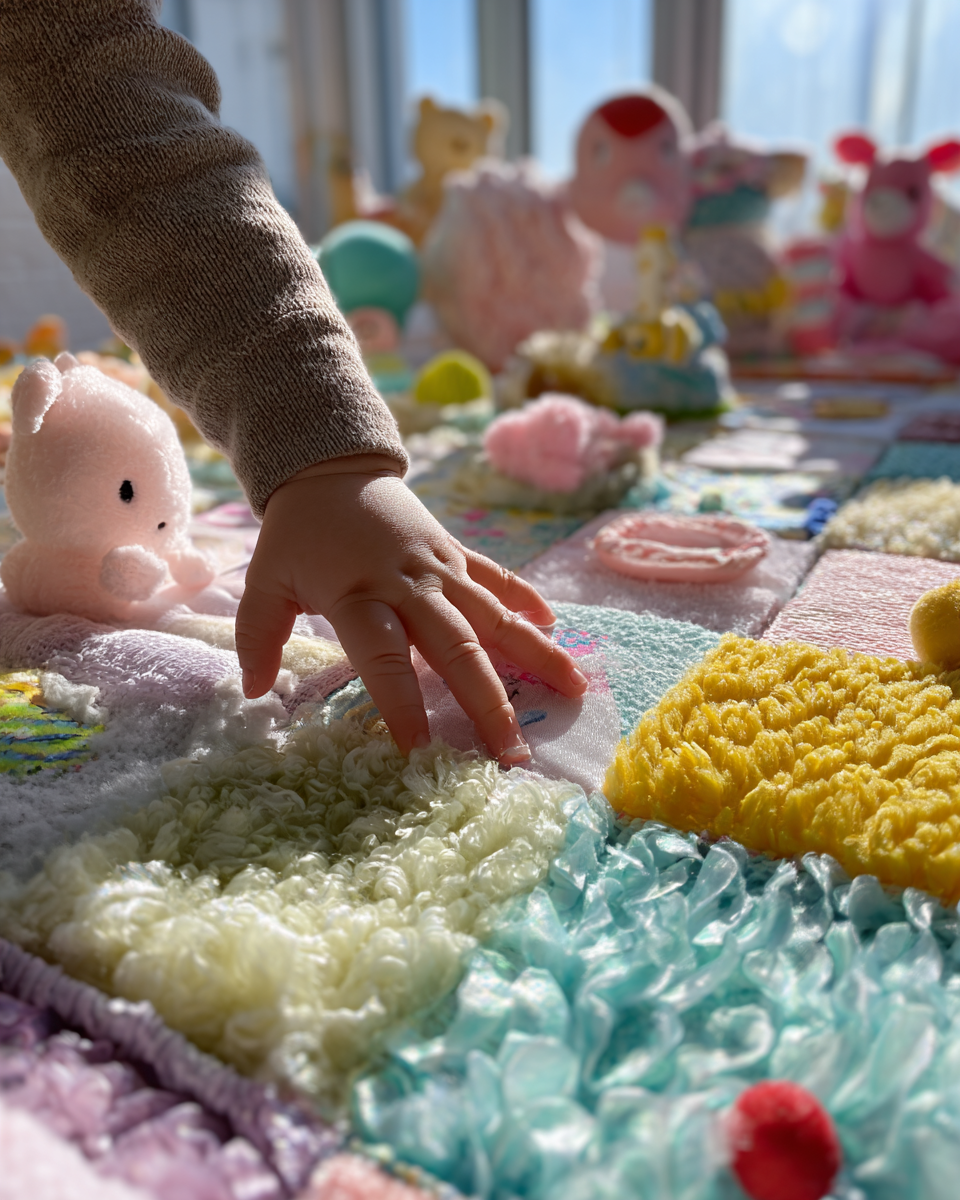
Create a box filled with various textures such as soft fabric, rough sandpaper, and smooth plastic. Allow your baby to explore these items, helping them learn about different sensations. This activity enhances sensory development and fine motor skills.
To set up a texture box, gather items with different textures and place them in a small container. Supervise your baby as they touch and feel each item.
5. Musical Play — Sound and Rhythm
💰 Earning potential: Free | ⏱️ Time to first income: Instant | 💵 Startup cost: $15
Introducing your baby to music allows them to explore sounds and rhythms, enhancing auditory skills. You can use simple instruments like maracas, drums, or even pots and pans to create music together.
For musical play, use household items as instruments or purchase simple ones. Encourage your baby to shake, bang, or tap along with you, fostering a love for music and rhythm.
Which Activity Should YOU Start With?
With so many sensory activities available, it can feel overwhelming to choose the right one. Here are some suggestions:
- 🕐 If you have less than 10 minutes: Start with water play.
- ⚡ If you want an easy clean-up: Try sensory bags.
- 💰 If you want long-term engagement: Go with texture boxes.
- 👶 If your baby is very young: Nature exploration is best.
- 🎶 If you enjoy music: Musical play is ideal.
Remember, the key is to pick one activity and enjoy the time spent with your baby!
Mistakes That Stop Most Parents from Engaging in Sensory Activities
It’s common to make mistakes while trying to engage your baby in sensory play, and it’s not your fault. Here are some pitfalls to avoid:
- ❌ Overcomplicating activities: Simplify by using everyday items instead of purchasing specialized materials.
- ❌ Not supervising closely: Always watch your baby during sensory activities to ensure safety.
- ❌ Forgetting to engage: Remember to interact with your baby during the activity to enhance their experience.
- ❌ Skipping messy play: Embrace messiness as part of the learning process; it’s a valuable experience for your baby.
Now that you know the common mistakes, let’s answer some frequently asked questions.
Frequently Asked Questions
Can sensory activities really boost my baby’s development?
Yes! Sensory activities are proven to enhance cognitive, motor, and social skills in babies.
How long should I engage my baby in sensory activities?
Start with short bursts of 10-15 minutes and gradually increase as your baby shows interest.
Do I need to buy special materials for sensory play?
No, most sensory activities can be done using everyday household items you already have.
Are sensory activities safe for my baby?
Yes, as long as you supervise and choose age-appropriate materials, they are very safe.
What is the best sensory activity for a 6-month-old?
Water play is often one of the best activities for babies this age, as it engages multiple senses.
Engaging your baby in sensory activities is a fun and effective way to boost their development. Choose one activity that resonates with you and your baby, and watch as they thrive.
Start with water play, as it’s simple and stimulating!
Which sensory activity will you try first? Tell us in the comments!
And don’t forget to save this post to your ‘Baby Development’ board on Pinterest so you can come back to it later!