
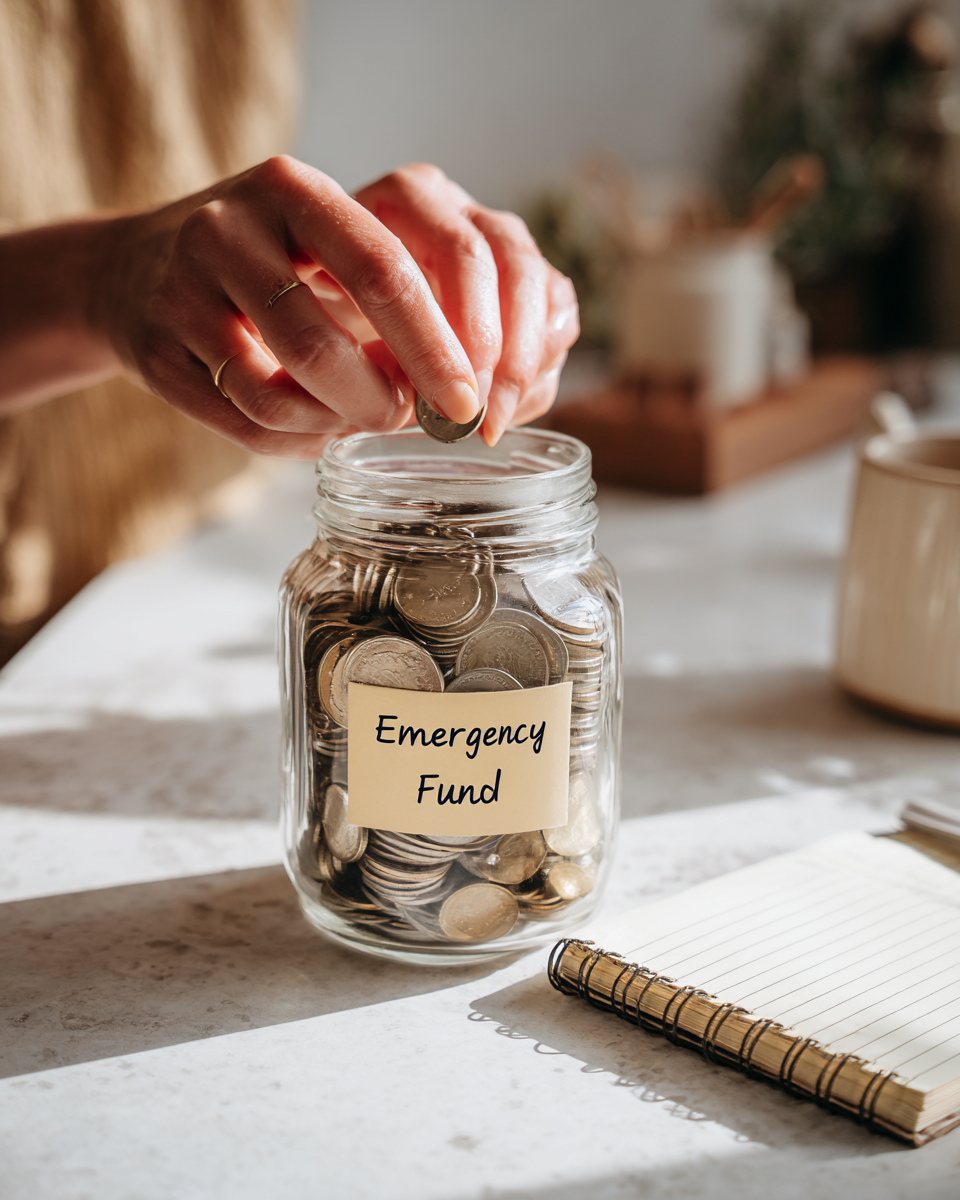
10 Simple Ways to Start an Emergency Fund From Scratch With Any Income (Even If You’re Living Paycheck to Paycheck)
Starting an emergency fund can feel impossible when you’re just trying to make ends meet. But here’s the good news: you can learn how to start an emergency fund from scratch with any income in just 30 days. In this article, you’ll discover 10 proven steps that anyone can take, regardless of their financial situation.
I understand how overwhelming it can be to think about saving money when every dollar matters. That’s why I’ve compiled these strategies that have helped thousands of people build their emergency funds, even while living paycheck to paycheck. Let’s dive into these actionable steps!
💰 Income range covered: $0–$2,000/month
⚡ Fastest method to start: Odd jobs or freelance work
👶 Mom-friendly: Yes — all methods are flexible
Why These Methods Work for Everyone
- ✅ You can start with as little as $10 and build up over time.
- ✅ Many methods allow you to save without altering your daily finances significantly.
- ✅ Most options require little to no startup costs, making them accessible to everyone.
- ✅ These methods are beginner-friendly, perfect for anyone new to saving.
- ✅ You can see results quickly, often within the first month.
10 Ways to Start an Emergency Fund From Scratch With Any Income
1. Set a Clear Savings Goal — Know What You’re Aiming For
💰 Earning potential: N/A | ⏱️ Time to first income: N/A | 💵 Startup cost: Free
Setting a specific savings goal is crucial. Knowing how much you want to save helps you stay focused. Aim for a minimum of $500 to cover basic emergencies like car repairs or medical expenses.
To start, write down your goal and break it down into smaller, manageable amounts. For instance, if you want to save $500 in 30 days, aim for about $17 a day.
💡 Pro Tip: Use a savings app to track your progress and keep you motivated.
2. Automate Your Savings — Make It Effortless
💰 Earning potential: N/A | ⏱️ Time to first income: N/A | 💵 Startup cost: Free
Automating your savings can help you save without thinking about it. Set up a direct deposit from your paycheck or bank account to a separate savings account dedicated to your emergency fund.
Start with a small amount, like $20 a week, and increase it as your financial situation allows. The key is to make it automatic so you won’t be tempted to spend that money.
3. Cut Unnecessary Expenses — Find Savings in Your Budget
💰 Earning potential: N/A | ⏱️ Time to first income: N/A | 💵 Startup cost: Free
Review your monthly expenses and identify areas where you can cut back. This could be dining out less, canceling unused subscriptions, or shopping for sales.
Redirect any money saved directly into your emergency fund. For example, if you save $50 by not eating out, transfer that money to your savings immediately.
4. Take on Odd Jobs — Boost Your Income
💰 Earning potential: $50–$300/month | ⏱️ Time to first income: 1 week | 💵 Startup cost: Free
Consider picking up odd jobs like dog walking, babysitting, or freelance work. Websites like TaskRabbit or Fiverr can help you find quick gigs that pay.
Use the extra income specifically for your emergency fund. If you earn an extra $100, deposit it right away to see your savings grow.
5. Sell Unused Items — Turn Clutter into Cash
💰 Earning potential: $50–$500/month | ⏱️ Time to first income: 1 week | 💵 Startup cost: Free
Look around your home for items you no longer use. Selling clothes, electronics, or furniture can quickly add funds to your emergency fund.
Use platforms like eBay, Facebook Marketplace, or local consignment shops. Set a goal to sell at least $100 worth of items this month and add that directly to savings.
6. Use Cashback Apps — Earn While You Shop
💰 Earning potential: $10–$100/month | ⏱️ Time to first income: 1 week | 💵 Startup cost: Free
Download cashback apps like Rakuten or Ibotta, which give you money back on purchases you make every day.
Use the cashback rewards to contribute to your emergency fund. Even small amounts can add up over time, so don’t overlook this method!
7. Participate in Surveys — Make Your Opinions Count
💰 Earning potential: $5–$50/month | ⏱️ Time to first income: 1 week | 💵 Startup cost: Free
Websites like Swagbucks or Survey Junkie pay you for your opinions. While you won’t get rich, it’s an easy way to earn a bit of extra cash that can go straight into your emergency fund.
Dedicate a few hours a week to complete surveys and watch your savings grow.
8. Set Up a Savings Challenge — Make it Fun
💰 Earning potential: N/A | ⏱️ Time to first income: N/A | 💵 Startup cost: Free
Engage in a savings challenge, like the 52-week challenge where you save $1 the first week, $2 the second week, and so on. By the end of the year, you’ll have over $1,300!
You can even create a group with friends or family to keep each other accountable and motivated.
9. Take Advantage of Employer Benefits — Maximize Your Income
💰 Earning potential: Varies | ⏱️ Time to first income: N/A | 💵 Startup cost: Free
If your employer offers retirement matching or bonuses, make sure you’re taking full advantage. Use any bonuses or matches to add to your emergency fund.
Check with your HR department to see what options are available to you.
10. Review Your Budget Regularly — Stay on Track
💰 Earning potential: N/A | ⏱️ Time to first income: N/A | 💵 Startup cost: Free
Regularly reviewing your budget helps you stay focused on your emergency fund goals. Set aside time each month to assess your expenses, savings, and income.
Adjust your strategies as needed to ensure you’re on track to meet your savings goals.
Which Method Should YOU Start With?
With so many options, it can be overwhelming to choose where to start. Here are some tips to help you decide:
- 🕐 If you have less than 5 hours/week: Start with selling unused items.
- ⚡ If you need money within 7 days: Try taking on odd jobs.
- 💰 If you want long-term income: Go with cashback apps.
- 👶 If you have a busy schedule: Participate in surveys during downtime.
- 🎓 If you have zero experience: Begin with setting a clear savings goal.
Remember, the key is to pick ONE method and start today!
Mistakes That Stop Most People From Building an Emergency Fund
These mistakes are common and not your fault, but they can hinder your progress.
- ❌ Not having a clear goal: Without a target amount, it’s hard to stay motivated. Set a specific savings goal.
- ❌ Ignoring smaller savings: Every little bit counts. Even saving $5 a week adds up over time.
- ❌ Trying too many methods at once: Focus on mastering one method before moving to another.
- ❌ Underestimating unexpected expenses: Always have a buffer in your fund to cover surprises.
Avoiding these common pitfalls will set you up for success. Now, let’s answer some frequently asked questions.
Frequently Asked Questions
Can I really build an emergency fund with a low income?
Yes! Even small contributions can add up over time when you’re consistent with saving.
How long does it take to save $500?
With a savings plan, you can realistically save $500 in 30 days if you set a daily goal.
Do I need a separate account for my emergency fund?
Yes, having a separate savings account helps you avoid spending your emergency funds.
What if I need to use my emergency fund?
That’s what it’s for! Just make sure to replenish it afterward as soon as possible.
What is the best method to start with?
Setting a clear savings goal is the best starting point as it gives you direction and motivation.
Learning how to start an emergency fund from scratch with any income is entirely possible. By following the steps outlined, you can build financial security over time. Start with Method #1 today and set yourself on the path to a more secure future. Which method will you try first? Tell us in the comments! And don’t forget to save this post to your “Money-Saving Tips” board on Pinterest!