
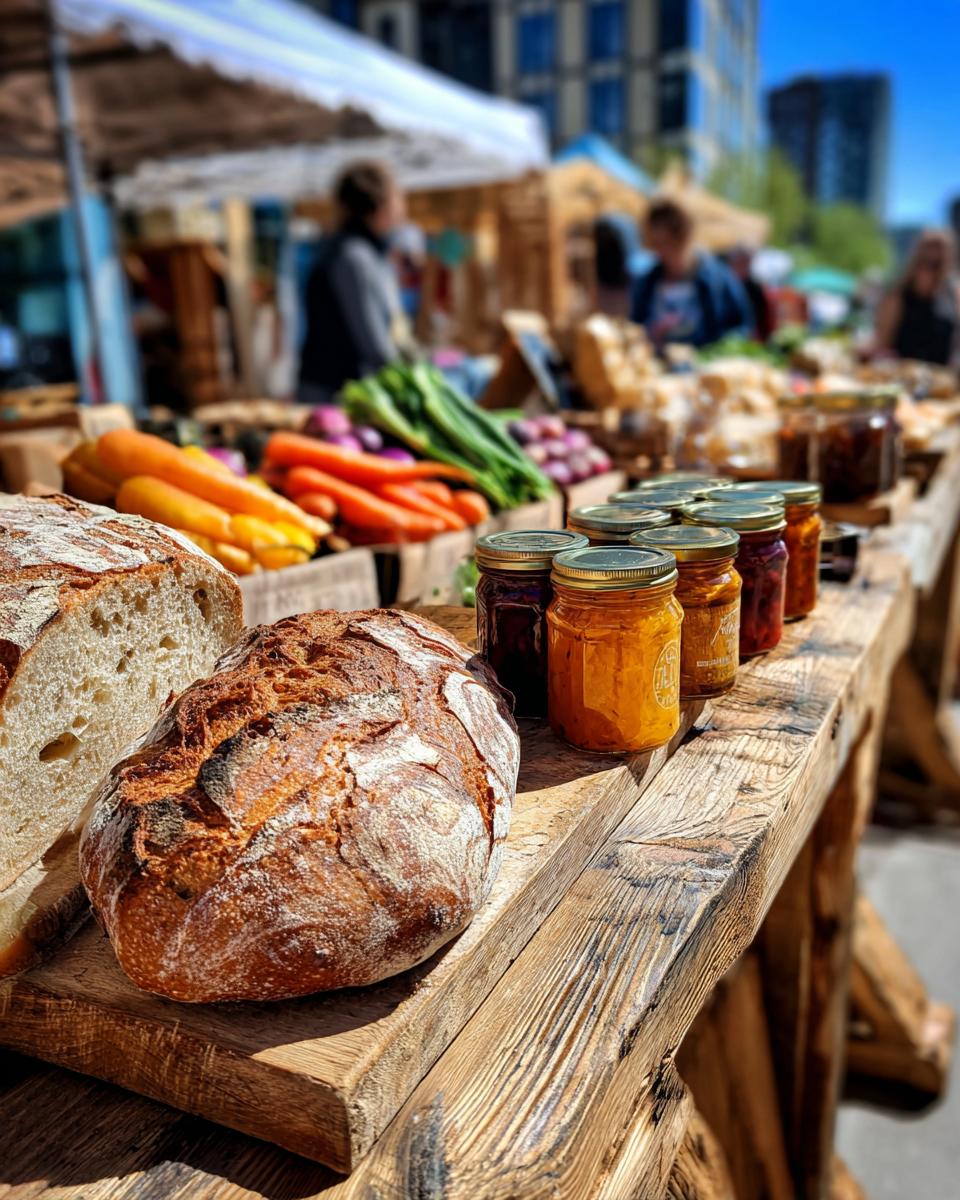
12 Best Things To Sell At A Farmers Market To Make Money (Even If You’re a Beginner)
Figuring out what to **sell at a farmers market** can feel daunting, especially if you’re new to it. But here’s the good news: you don’t need a background in farming or cooking to make money at these markets. In this guide, you’ll discover the 12 best items that can help you earn money while enjoying the vibrant atmosphere of local markets.
Many aspiring vendors struggle to find the right products that appeal to customers and generate profit. After researching and speaking with successful farmers market sellers, I’ve compiled this list of items that have proven to be popular and profitable. Let’s dive in!
💰 Income potential: $200–$2,000/month
⚡ Fastest method to start: Selling baked goods
👶 Mom-friendly: Yes — all items can be prepared at home
Why These Products Work for Farmers Market Vendors
- ✅ **High demand:** Locals love fresh, handmade, and unique products.
- ✅ **Flexibility:** You can sell items that fit your schedule and resources.
- ✅ **Low startup costs:** Most items don’t require expensive equipment or supplies.
- ✅ **Beginner-friendly:** Many of these products can be made with basic skills.
- ✅ **Quick sales:** Items like baked goods can sell out quickly, giving you fast returns.
12 Best Things To Sell At A Farmers Market
1. Fresh Produce — Local and Seasonal
💰 Earning potential: $200–$1,500/month |
⏱️ Time to first income: 1–2 weeks |
💵 Startup cost: $20–$100
Selling fresh fruits and vegetables is a staple at farmers markets. If you have a garden or access to local farms, you can provide seasonal produce that is fresher than what you find in stores. For example, selling heirloom tomatoes during peak season can attract many customers.
To get started, you can begin by growing produce in your backyard or sourcing from local farms. Make sure to research your local regulations regarding food sales. Connecting with other farmers can also provide valuable insights.
💡 Pro Tip: Offer samples to entice customers to buy more.
2. Baked Goods — Homemade Treats
💰 Earning potential: $300–$1,000/month |
⏱️ Time to first income: 1 week |
💵 Startup cost: $50–$200
Homemade baked goods like bread, cookies, and pastries are always in demand at farmers markets. If you have a passion for baking, this is an ideal way to turn your hobby into profit. Unique flavors and organic ingredients can set your booth apart.
Start by creating a few signature items and test them with friends and family. You can also showcase seasonal specialties to keep customers coming back. Just ensure you comply with local health regulations.
💡 Pro Tip: Package baked goods in attractive, eco-friendly packaging to enhance appeal.
3. Handmade Crafts — Unique Gifts and Décor
💰 Earning potential: $200–$1,000/month |
⏱️ Time to first income: 1 month |
💵 Startup cost: $50–$300
Handmade crafts such as candles, soap, or jewelry can attract customers looking for unique gifts. Not only do these items offer creative expression, but they also have a high profit margin. For instance, a set of handmade candles can be sold for three times the cost of materials.
Explore local craft fairs or online platforms for inspiration. Start with a small inventory and gradually expand based on sales. Be sure to highlight the craftsmanship behind your products.
4. Jams and Jellies — Delicious Preserves
💰 Earning potential: $150–$800/month |
⏱️ Time to first income: 2 weeks |
💵 Startup cost: $30–$150
Selling homemade jams and jellies allows you to utilize seasonal fruits while creating a product that’s always popular. Customers appreciate homemade options over store-bought and often return for their favorites.
To start, select fruits that are in season and make small batches to sell. You can even offer sampling to encourage sales. Always label your jars clearly, highlighting ingredients and any unique flavor combinations.
5. Plants and Herbs — Fresh Greenery
💰 Earning potential: $150–$600/month |
⏱️ Time to first income: 1 month |
💵 Startup cost: $20–$100
Selling potted herbs and plants can attract gardening enthusiasts. Items like basil, mint, and succulents are popular and can sell quickly. People love having fresh herbs available for their cooking.
Start by growing herbs in pots at home or purchasing them from local nurseries. Ensure you have a variety of options to appeal to different customers. Display them attractively to catch attention.
6. Local Honey — Nature’s Sweetener
💰 Earning potential: $200–$1,000/month |
⏱️ Time to first income: 1 month |
💵 Startup cost: $50–$200
Local honey is a favorite among many farmers market shoppers. It promotes local agriculture and supports bees. This product can be a great conversation starter and draws in customers interested in supporting local businesses.
You can start by partnering with local beekeepers or learning to beekeep yourself. Ensure you comply with local regulations regarding honey sales.
7. Artisanal Cheese — Gourmet Delights
💰 Earning potential: $300–$1,500/month |
⏱️ Time to first income: 2 months |
💵 Startup cost: $100–$300
If you have the skills to make artisanal cheese, this can be a lucrative product. Cheese lovers flock to farmers markets for unique flavors and locally sourced options.
Start learning cheese-making techniques and create a few varieties. Offer samples and have clear descriptions of your cheeses to attract customers.
8. Fresh Cut Flowers — Seasonal Bouquets
💰 Earning potential: $100–$500/month |
⏱️ Time to first income: 2 weeks |
💵 Startup cost: $20–$100
Flowers make great gifts and home décor items. Selling fresh cut flowers can attract customers looking for something beautiful and fragrant. You can create bouquets or sell individual stems.
Start by growing flowers in your garden or sourcing them from local growers. Make sure to have a variety for different seasons.
9. Natural Skincare Products — Healthy Choices
💰 Earning potential: $200–$1,000/month |
⏱️ Time to first income: 1 month |
💵 Startup cost: $50–$300
Selling handmade skincare products like lotions and scrubs can attract health-conscious consumers. These products often have a higher profit margin and can be marketed as organic or natural.
Start with a few basic recipes and test them on friends and family. Ensure you comply with local regulations and label your products clearly.
10. Gourmet Dog Treats — For Pet Lovers
💰 Earning potential: $150–$600/month |
⏱️ Time to first income: 1 month |
💵 Startup cost: $30–$100
Pet owners love spoiling their furry friends with gourmet treats. If you have a passion for baking, consider making dog treats that are healthy and appealing to pets.
Create a few recipes, ensure they are safe for dogs, and market them as organic or gluten-free. Display them attractively at your booth to draw in pet owners.
11. Specialty Sauces and Spices — Flavor Boosters
💰 Earning potential: $200–$800/month |
⏱️ Time to first income: 2 weeks |
💵 Startup cost: $50–$150
Specialty sauces, dips, and spice blends can attract foodies looking for unique flavors. These products can be easily packaged and sold at a premium.
Experiment with different recipes and offer samples to attract customers. Consider creating themed bundles for holidays or special occasions.
12. Vintage and Upcycled Goods — Eco-Friendly Options
💰 Earning potential: $200–$1,000/month |
⏱️ Time to first income: 1 month |
💵 Startup cost: $50–$300
Selling vintage or upcycled items can appeal to eco-conscious consumers. Items like repurposed furniture or home décor can attract attention and tell a story.
Source items from thrift stores or your own home and give them a new life. Share the story of your items to engage potential buyers.
Which Product Should YOU Start With?
Choosing the right product to sell can be overwhelming. Here’s how to narrow it down:
- 🕐 If you have less than 5 hours/week: Start with baked goods.
- ⚡ If you need money within 7 days: Try selling fresh produce.
- 💰 If you want long-term income: Go with artisanal cheese.
- 👶 If you have kids at home: Selling plants and herbs is best.
- 🎓 If you have zero experience: Begin with homemade jams and jellies.
Remember, the key is to pick ONE product and start small.
Mistakes That Stop Most Vendors From Earning at Farmers Markets
Many new vendors make common mistakes that hinder their success — and it’s not their fault.
- ❌ Not knowing your target market: Failing to research customer preferences can lead to unsold products.
- ❌ Overcomplicating your setup: A cluttered booth can deter customers; keep it simple and inviting.
- ❌ Ignoring local regulations: Not adhering to food safety laws can result in fines or closures.
- ❌ Pricing too high or too low: Research similar products to find a competitive pricing strategy.
Avoiding these pitfalls can significantly improve your chances of success.
Frequently Asked Questions
Can anyone sell at a farmers market?
Yes — most farmers markets welcome vendors, but you may need to apply and meet specific requirements.
How long does it take to start making money?
Many vendors see sales within the first few weeks, especially if they sell popular items like baked goods or fresh produce.
Do I need special permits or licenses?
Yes, depending on your product, you may need permits related to food safety or sales. Always check local regulations.
Is it worth the effort to sell at farmers markets?
Absolutely! Many vendors find it rewarding not only financially but also for community connection and networking.
What’s the best thing to sell?
Fresh produce and baked goods are often the top sellers, but it depends on your local market’s preferences.
Learning how to **sell at a farmers market** can lead to a fulfilling and profitable venture. Focus on what you love and what resonates with your community, and you’ll find success. Start with one product that excites you, and take action this weekend!
Which product will you try first? Tell us in the comments! Save this post to your “Farmers Market Ideas” board so you can come back to it!