
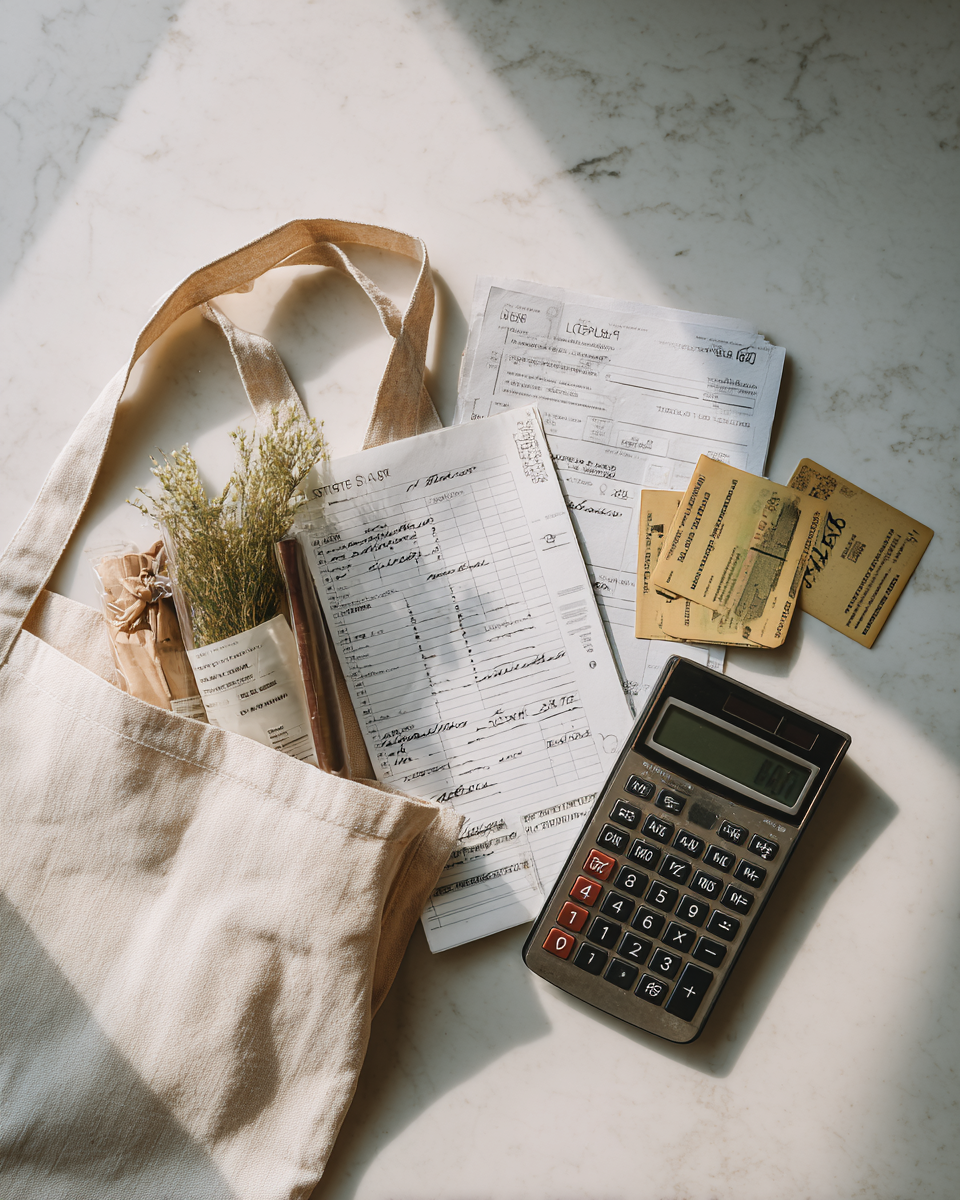
15 Frugal Grocery Shopping Hacks That Save You Big Every Week (Even If You’re Busy)
Finding ways to cut down on grocery bills can feel overwhelming, especially when you’re juggling a busy family life. But here’s the good news: you can implement effective grocery shopping hacks that will save you big every week. In this article, you’ll discover 15 practical strategies that families are using to trim their grocery expenses without sacrificing quality or nutrition.
I understand that with kids, schedules, and endless to-do lists, grocery shopping can quickly become a chore that eats away at your budget. Thousands of families have successfully used these hacks to see significant savings. Read on to learn how you can do the same!
💰 Income range covered: Save $50–$200/month
⚡ Fastest method to start: Create a meal plan
👶 Mom-friendly: Yes — all methods are easy to implement
Why These Hacks Work for Busy Families
- ✅ Save an average of $50–$200/month on groceries with simple adjustments.
- ✅ Flexible methods allow you to shop efficiently, even with a tight schedule.
- ✅ Most hacks require little to no upfront investment, keeping costs low.
- ✅ They are beginner-friendly, making them accessible for all families.
- ✅ Many hacks lead to immediate savings, often within the first week of implementation.
15 Ways to Save Big on Grocery Shopping
1. Create a Weekly Meal Plan — Simplify Your Shopping
💰 Earning potential: Save $50–$100/month |
⏱️ Time to first income: 1 week |
💵 Startup cost: Free
You can simplify your grocery shopping by creating a weekly meal plan that outlines what you’ll eat for the week. This method helps you avoid impulse buys and ensures you only purchase what you need. For example, if you plan to make tacos using beans and rice, you won’t be tempted to grab unnecessary snacks.
Start by selecting recipes for the week and writing down the ingredients. Use apps or websites that help you generate shopping lists based on your meal plan. One warning: don’t skip planning; it’s crucial for saving money.
💡 Pro Tip: Use seasonal ingredients in your meal plan to save even more money!
2. Use Coupons and Cashback Apps — Get Paid to Shop
💰 Earning potential: Save $20–$50/month |
⏱️ Time to first income: Immediate |
💵 Startup cost: Free
This method lets you take advantage of coupons and cashback offers available through apps like Ibotta and Rakuten. You can stack these savings on items you already plan to buy. For instance, if you have a coupon for cereal and a cashback offer, you could save significantly on your grocery bill.
To start, download a few popular cashback apps and scan your grocery receipts. Just remember to check expiration dates on coupons to ensure you use them before they expire.
3. Buy in Bulk — Stock Up and Save
💰 Earning potential: Save $10–$50/month |
⏱️ Time to first income: 1 week |
💵 Startup cost: Varies by product
Buying in bulk can save you a lot of money in the long run, especially for non-perishable items like rice, pasta, and canned goods. This method is perfect for families who use these staples regularly. For example, purchasing a 25lb bag of rice usually costs less per pound than buying smaller bags.
To maximize savings, compare unit prices to ensure you’re getting the best deal. A word of caution: don’t overbuy perishables unless you’re sure you’ll use them before they spoil.
4. Shop Seasonal Produce — Get Fresh for Less
💰 Earning potential: Save $15–$30/month |
⏱️ Time to first income: Immediate |
💵 Startup cost: Free
In-season fruits and vegetables are often cheaper and taste better. Buying seasonal produce ensures you get the freshest options and can lead to significant cost savings. For instance, strawberries are usually cheaper in spring than in winter.
Check local farmers’ markets or grocery store flyers to know what’s in season. One tip: keep an eye on clearance sections for extra savings on seasonal items.
5. Make a Shopping List — Stick to Your Budget
💰 Earning potential: Save $30–$70/month |
⏱️ Time to first income: 1 week |
💵 Startup cost: Free
This method encourages you to create a shopping list before heading to the store. By sticking to this list, you can avoid impulse purchases that add up quickly. For instance, if you only buy what’s on your list, you could easily cut $50 from your weekly bill.
Create your list based on your meal plan and only include essentials. A friendly reminder: don’t shop when you’re hungry to avoid temptation.
6. Use Store Loyalty Programs — Earn Rewards on Your Purchases
💰 Earning potential: Save $10–$30/month |
⏱️ Time to first income: Immediate |
💵 Startup cost: Free
Many grocery stores offer loyalty programs that provide discounts, points, or cashback for purchases. You can earn rewards just by signing up and shopping at your regular store. For example, some stores offer $5 off your next purchase after you accumulate a certain number of points.
Sign up for loyalty programs at your favorite stores and keep track of your points. Just be cautious about promotional offers that may require you to buy more than you need.
7. Compare Prices — Know Where to Shop
💰 Earning potential: Save $20–$50/month |
⏱️ Time to first income: 1 week |
💵 Startup cost: Free
Comparing prices among different stores can lead to significant savings. You might find that one store has lower prices for produce while another offers better deals on dairy products. For instance, spending a little time checking ads can save you $20 weekly.
Use apps or websites that compare grocery prices in your area. One caveat: don’t let price comparisons consume too much time; focus on the most significant purchases.
8. Plan for Leftovers — Get More Bang for Your Buck
💰 Earning potential: Save $15–$40/month |
⏱️ Time to first income: 1 week |
💵 Startup cost: Free
Using leftovers creatively can extend the life of your groceries and reduce waste. For example, if you roast a chicken, use the leftover meat for sandwiches, salads, or soup throughout the week. This method not only saves money but also time.
To start, plan meals that can share ingredients and use leftovers in different ways. Just a reminder: be cautious about how long leftovers are stored to avoid food safety issues.
9. Avoid Pre-Packaged Items — Choose Whole Foods
💰 Earning potential: Save $20–$50/month |
⏱️ Time to first income: 1 week |
💵 Startup cost: Free
Pre-packaged items often come with a higher price tag. Opting for whole foods like fresh fruits and vegetables can save you money and make your meals healthier. For example, buying whole carrots instead of pre-cut ones can save you a few dollars.
Make an effort to choose whole foods when shopping and prepare meals from scratch. One caution: some whole foods may require more cooking time, so plan accordingly.
10. Check the Unit Prices — Get the Best Deal
💰 Earning potential: Save $10–$30/month |
⏱️ Time to first income: Immediate |
💵 Startup cost: Free
Unit prices help you assess the cost per item and can often reveal better deals that aren’t apparent from the shelf prices. For example, larger packages may be cheaper per ounce than smaller ones, saving you money over time.
Always look for the unit price sticker on the shelf tag. One tip: focus on comparing similar products to ensure fair assessments.
11. Shop the Perimeter of the Store — Fresh is Best
💰 Earning potential: Save $10–$20/month |
⏱️ Time to first income: Immediate |
💵 Startup cost: Free
Most grocery stores place fresh produce, dairy, and meats around the perimeter of the store. Shopping these sections first ensures you fill your cart with healthier options and often leads to savings. For instance, you might skip the processed foods that can quickly add to your bill.
Make it a habit to shop the perimeter first, then go to the aisles for essentials. Just a reminder: don’t get lured into the snack aisles along the way!
12. Use Cash Instead of Cards — Stick to Your Budget
💰 Earning potential: Save $20–$40/month |
⏱️ Time to first income: Immediate |
💵 Startup cost: Free
Using cash instead of debit or credit cards can help you stick to your budget better. When you have a set amount of cash, you’re less likely to overspend. For example, if you have a $100 budget and stick to cash, you can’t exceed that amount.
Take cash to the grocery store based on your budget and leave your cards at home. Just a reminder: keep track of your spending to avoid running out of cash too soon.
13. Avoid Shopping When Hungry — Keep Impulse Buying at Bay
💰 Earning potential: Save $20–$50/month |
⏱️ Time to first income: Immediate |
💵 Startup cost: Free
Shopping on an empty stomach often leads to unnecessary impulse buys. You might end up buying snacks or treats that add up quickly. For instance, shopping while hungry might lead to grabbing a dozen cookies instead of sticking to your list.
Try to shop after meals or when you’re not hungry to minimize impulse purchases. A friendly reminder: keep healthy snacks on hand to munch before you shop.
14. Use a Price Book — Track Prices Over Time
💰 Earning potential: Save $10–$30/month |
⏱️ Time to first income: 1 month |
💵 Startup cost: Free
Creating a price book allows you to track the prices of items you buy frequently. Over time, you’ll notice trends and be able to identify when to buy items at their lowest prices. For example, if you know that a specific brand of cereal goes on sale every few weeks, you can time your purchases.
To start a price book, jot down prices from your grocery receipts or store ads. One caution: regularly update your price book to keep accurate data.
15. Plan for Special Occasions — Budget for Extra Costs
💰 Earning potential: Save $50–$100/month |
⏱️ Time to first income: 1 month |
💵 Startup cost: Varies
Planning for special occasions, such as holidays or birthdays, allows you to budget for extra grocery expenses. You can spread out the costs over several weeks instead of facing a big hit all at once. For example, if you know you’ll need extra food for a family gathering, save a little each week leading up to it.
Make a list of upcoming occasions and set aside a specific amount each week. A friendly reminder: don’t forget to adjust your regular grocery budget during these times.
Which Hack Should YOU Start With?
With so many options, it can be overwhelming to choose where to start. Here are some suggestions:
- 🕐 If you have less than 5 hours/week: Start with creating a weekly meal plan.
- ⚡ If you need money within 7 days: Try using coupons and cashback apps.
- 💰 If you want long-term savings: Go with planning for leftovers.
- 👶 If you have a toddler at home: Use store loyalty programs for easy savings.
- 🎓 If you have zero experience: Begin with creating a shopping list.
Remember, the key is to pick one hack that resonates with you and start implementing it today!
Mistakes That Stop Most Families From Saving Big
It’s common to make mistakes while trying to save on groceries, but it’s not your fault. Here are some common pitfalls:
- ❌ Not planning meals: This leads to impulse buys and overspending — always create a meal plan first.
- ❌ Ignoring unit prices: This can result in overpaying for items — always check unit prices before purchasing.
- ❌ Skipping grocery lists: This leads to unnecessary purchases — make a list and stick to it.
- ❌ Shopping without coupons: This can increase your bill — always check for coupons before shopping.
Now that you’ve identified some common mistakes, let’s move to some frequently asked questions to help clarify further.
Frequently Asked Questions
Can I really save money with these grocery shopping hacks?
Yes! Many families save $50–$200/month by implementing these strategies.
How long does it take to see savings from these hacks?
Some hacks, like using coupons, can yield immediate savings, while others, like meal planning, may take a week to show results.
Do I need special skills to use these hacks?
No. Most hacks require only basic planning and organizational skills.
What if I have a tight budget already?
Many hacks are designed for tight budgets and can help maximize what you already spend.
What is the best hack for beginners?
Creating a shopping list is the best starting point for beginners to avoid overspending.
Implementing these 15 frugal grocery shopping hacks can transform your grocery budget and save you big every week. The key takeaway is to pick one or two hacks that resonate with you and commit to them. Start with meal planning or using coupons and watch your savings grow. Which hack will you try first? Let us know in the comments below! 👇 And save this post to your ‘Frugal Living’ board on Pinterest for easy access later!