
10 Fun 2 Year Kids Learning Activities: Proven Ways to Boost Development (Even If You’re Busy)
👶 Age range: 2 years
💡 Learning outcomes: Cognitive, motor, and social skills
🧸 Activity types: Fun, engaging, and educational
Why These Activities Work for Toddlers
- ✅ Engaging activities boost attention spans, promoting learning.
- ✅ Many can be completed in under 30 minutes, perfect for busy parents.
- ✅ Low-cost materials are often found around the house, making it budget-friendly.
- ✅ Designed for beginners, they require no specialized skills to facilitate.
- ✅ Immediate feedback helps kids learn quickly and effectively.
10 Fun 2 Year Kids Learning Activities
1. Sensory Bins — Explore Textures and Colors
💰 Earning potential: N/A |
⏱️ Time to first income: N/A |
💵 Startup cost: $10 or Free
This activity lets toddlers explore different textures like rice, beans, or sand. It’s an engaging way to learn colors and shapes while boosting fine motor skills. For example, you can use different colored items in the bin to teach them color recognition.
To start, gather a bin and fill it with your chosen material. Add scoops or small toys for them to play with. Avoid using small items that could be choking hazards.
💡 Pro Tip: Change the materials weekly to keep the activity fresh and exciting for your child.
2. Building Blocks — Develop Spatial Awareness
💰 Earning potential: N/A |
⏱️ Time to first income: N/A |
💵 Startup cost: $15 or Free
Building blocks allow kids to create while developing spatial awareness and problem-solving skills. They learn about balance and gravity as they stack and build structures.
Purchase a set of wooden or plastic blocks and encourage your child to create different structures. You can introduce concepts like “tall” and “short” during playtime.
3. Storytime with Pictures — Enhance Language Skills
💰 Earning potential: N/A |
⏱️ Time to first income: N/A |
💵 Startup cost: Free
Reading to your child not only fosters a love for books but also enhances their language skills. Choose colorful picture books that captivate their attention.
Make it interactive by asking questions about the pictures and allowing your child to predict what happens next. This will spark their imagination and critical thinking skills.
4. Art and Craft Time — Foster Creativity
💰 Earning potential: N/A |
⏱️ Time to first income: N/A |
💵 Startup cost: $5 or Free
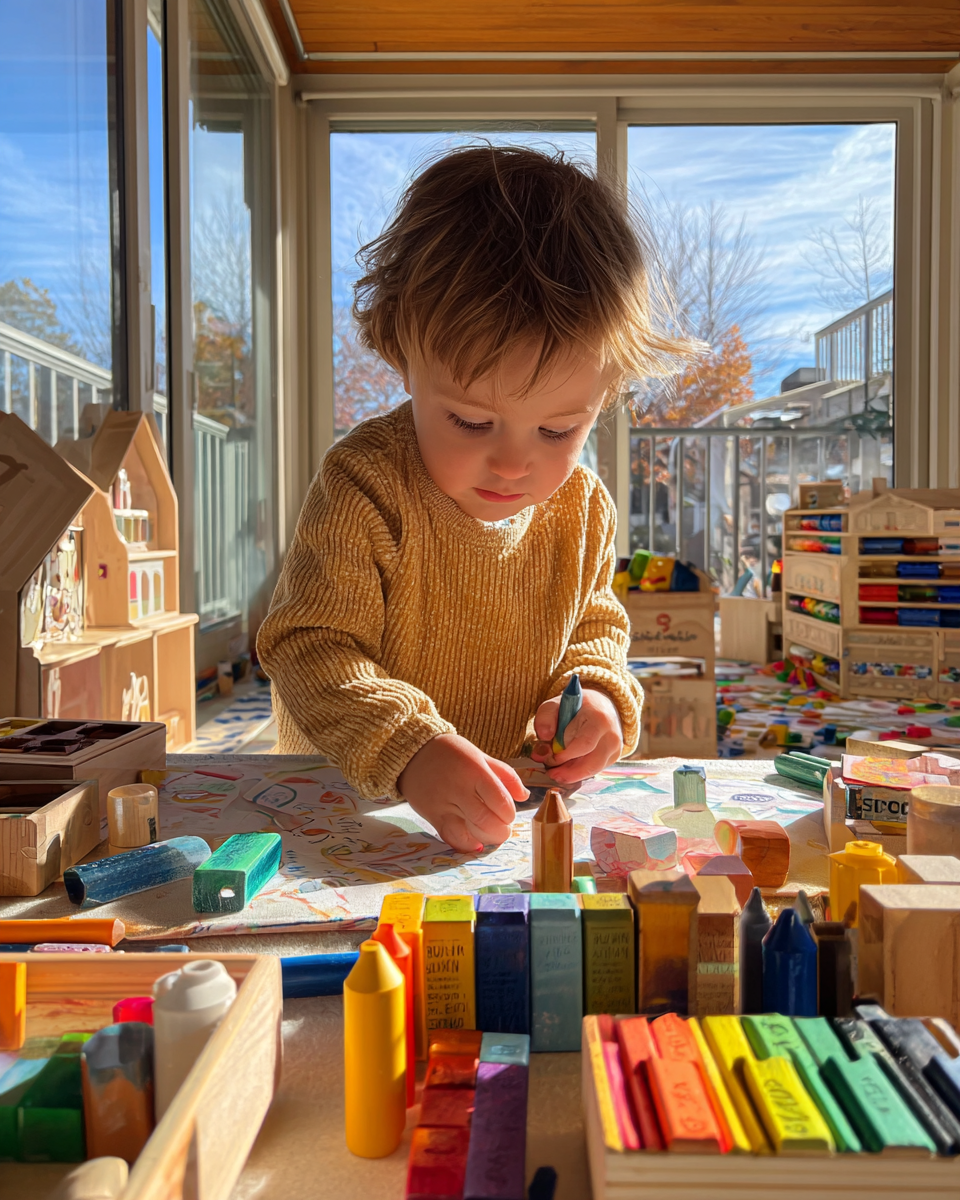
Arts and crafts activities like finger painting or coloring help develop fine motor skills and creativity. Use washable paints or crayons to keep it mess-free.
Set up a designated art area where they can freely express themselves. Offer various materials like paper, stickers, and colors to explore their creativity.
5. Nature Walks — Learn About the Environment
💰 Earning potential: N/A |
⏱️ Time to first income: N/A |
💵 Startup cost: Free
Take your child on short nature walks to explore the outdoors. This activity teaches them about plants, animals, and the environment while also providing physical exercise.
Bring a small basket for them to collect interesting leaves or rocks. Discuss what they find to enhance their observational skills.
6. Matching Games — Boost Memory Skills
💰 Earning potential: N/A |
⏱️ Time to first income: N/A |
💵 Startup cost: $10 or Free
Matching games help improve memory and cognitive skills. You can easily create a matching game using cards or everyday items around the house.
Start with a few pairs and encourage your child to find the matches. As they improve, increase the number of pairs to challenge them further.
7. Cooking Together — Learn Measurements and Following Directions
💰 Earning potential: N/A |
⏱️ Time to first income: N/A |
💵 Startup cost: $5
Involving your child in cooking can teach them about measurements and following directions. Choose simple recipes that require minimal ingredients.
Let them help with mixing or measuring ingredients while you explain what each step means. This hands-on experience makes learning enjoyable.
8. Playdough Fun — Develop Fine Motor Skills
💰 Earning potential: N/A |
⏱️ Time to first income: N/A |
💵 Startup cost: $5
Playdough is an excellent medium for toddlers to develop their fine motor skills. They can roll, flatten, and mold, enhancing hand-eye coordination.
Encourage them to create shapes, letters, or animals. This activity can also be a great way to introduce colors and shapes.
9. Simple Puzzles — Enhance Problem-Solving Skills
💰 Earning potential: N/A |
⏱️ Time to first income: N/A |
💵 Startup cost: $10
Simple puzzles are fantastic for developing problem-solving skills and hand-eye coordination. Look for puzzles with large pieces that are easy for little hands to grasp.
Start with fewer pieces and gradually increase the difficulty as they master each puzzle. Celebrate their achievements to boost their confidence.
10. Music and Movement — Physical Activity and Rhythm
💰 Earning potential: N/A |
⏱️ Time to first income: N/A |
💵 Startup cost: Free
Integrating music and movement encourages physical activity and helps develop rhythm. Play songs that prompt them to dance or follow along with actions.
Use simple instruments like tambourines or shakers for added fun. This activity promotes coordination and listening skills.
Which Activity Should YOU Start With?
Choosing the right activity can be overwhelming, but it’s essential to find what suits your child best.
- 🕐 If your child has less than 15 minutes: Start with Storytime with Pictures.
- ⚡ If you need an activity right now: Try Sensory Bins with rice or beans.
- 💰 If you want a long-term activity: Incorporate Building Blocks into daily play.
- 👶 If you have a toddler at home: Art and Craft Time is perfect for creativity.
- 🎓 If you have zero experience: Begin with Nature Walks to spark curiosity.
Pick one activity and enjoy the learning journey with your child!
Mistakes That Stop Most Parents From Engaging Their Toddlers
It’s common for parents to feel overwhelmed by how to engage their children effectively.
- ❌ Overcomplicating activities: Simple activities yield the best results — focus on fun.
- ❌ Expecting immediate results: Each child learns at their own pace; patience is key.
- ❌ Skipping the clean-up: Involve your child in cleaning up to teach responsibility.
- ❌ Not adapting activities: Modify activities to suit your child’s interests and abilities.
Now that you’re aware of these common pitfalls, let’s dive into some frequently asked questions.
Frequently Asked Questions
Can I really boost my child’s development with activities?
Yes! Engaging in structured activities helps enhance cognitive and motor skills, leading to overall development.
How long does it take to see results from these activities?
Results vary, but consistency is key. Most parents notice improvements in skills within a few months.
Do I need special materials for these activities?
No. Most activities use common household items, making it easy to get started without extra expenses.
What if my child doesn’t want to participate?
Reassure them and try making the activities more interactive or fun. Kids often engage better with a little encouragement.
What is the best activity for learning colors?
Sensory Bins, filled with colored items, are an excellent way to teach color recognition effectively.
Engaging in 2 year kids learning activities is a fun way to boost development while spending quality time together. Choose one or two activities that resonate with your child’s interests and watch them thrive. Start with Sensory Bins for immediate engagement — it’s a perfect way to introduce learning through play. Which activity are you excited to try first? Let us know in the comments! And don’t forget to save this post to your “Kids Activities” board for future reference!