
7 Proven Ways to Use Sensory Activities for Preschoolers (Even If You’re Short on Time)
💰 Learning boost: Engages multiple senses
⚡ Fastest method to start: Sensory bins
👶 Kid-friendly: Yes — all activities are safe for preschoolers
Planning engaging activities for preschoolers can feel overwhelming, especially when you have a million things on your plate. But incorporating sensory activities for preschoolers is a fantastic way to enhance learning without requiring hours of preparation. In this article, you’ll discover 7 effective methods to boost your child’s learning experience through sensory play.
I understand that as a busy parent, you may worry about finding the time and resources to create these activities. However, sensory play is not only fun but also crucial for child development. Thousands of parents have successfully integrated these methods into their daily routines, and you can too!
Why These Methods Work for Preschoolers
- ✅ Sensory activities enhance brain development by stimulating multiple senses simultaneously.
- ✅ They can be done in as little as 15 minutes, making them perfect for busy schedules.
- ✅ Many activities require little to no cost, using household items.
- ✅ These methods are beginner-friendly, requiring minimal setup and supervision.
- ✅ Children often show immediate engagement and excitement, leading to better learning outcomes.
7 Ways to Use Sensory Activities for Preschoolers
1. Sensory Bins — A World of Exploration
💰 Earning potential: Engaged learning | ⏱️ Time to first income: Immediate | 💵 Startup cost: $5 or Free
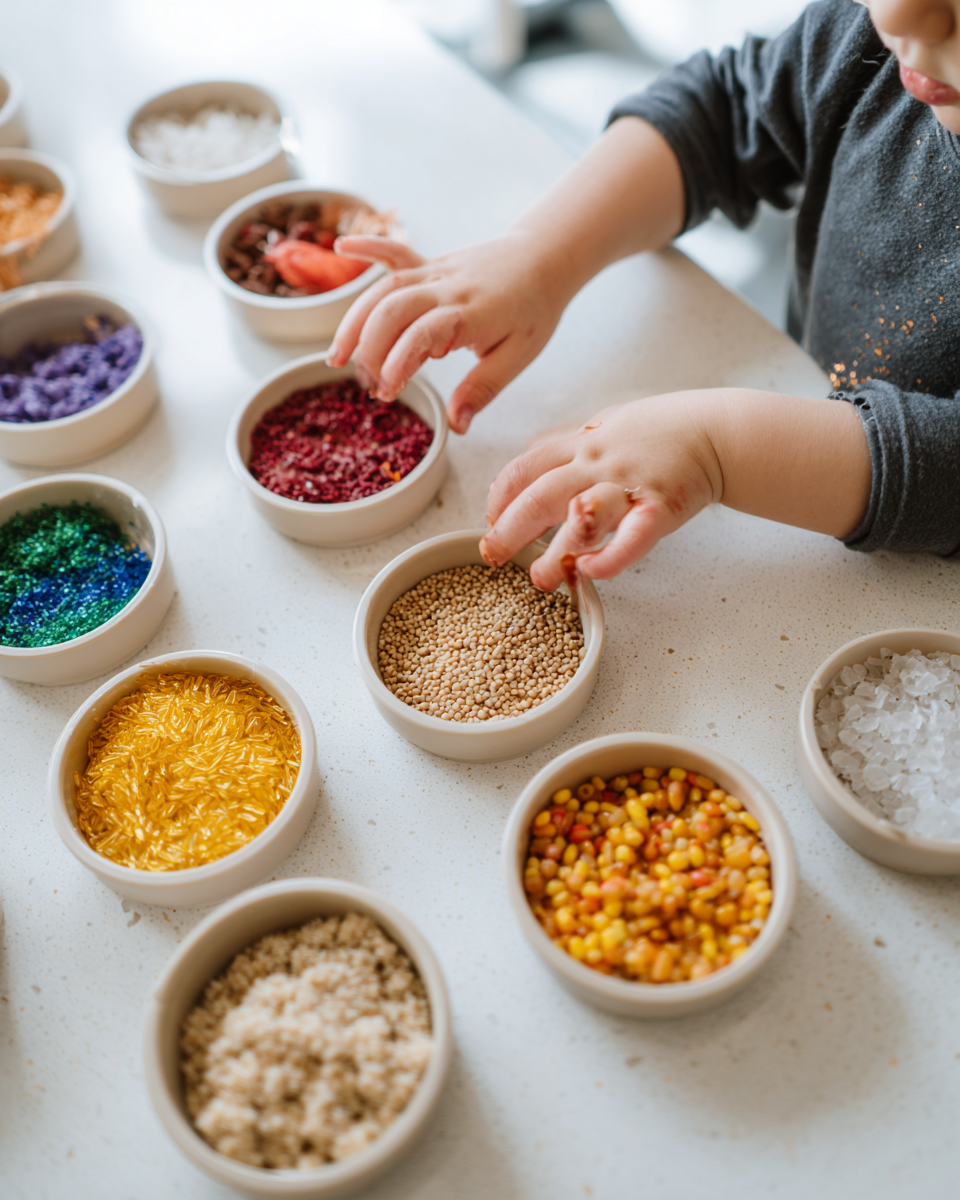
Sensory bins allow children to explore different textures and materials. You can fill a container with rice, beans, or sand, and add scoops, cups, and small toys. This method works well because it encourages imaginative play and fine motor skills. For example, using rice can lead to hours of exploration as they pour and sift.
To set up a sensory bin, find a large container, fill it with your chosen material, and add some toys or tools. Always supervise your child to ensure safety and prevent messes.
💡 Pro Tip: Change the theme of the sensory bin each week to keep your child engaged and excited!
2. Water Play — Splash and Learn
💰 Earning potential: Engaged learning | ⏱️ Time to first income: Immediate | 💵 Startup cost: Free
Water play is a classic sensory activity that promotes learning through exploration. Fill a basin with water and provide cups, spoons, and small toys. This activity teaches concepts of volume, buoyancy, and basic science in a fun way.
To start, simply fill a basin with water and let your child play. Add toys or household items like measuring cups and strainers for added fun. Ensure supervision to keep them safe.
3. Play Dough — Hands-On Creativity
💰 Earning potential: Engaged learning | ⏱️ Time to first income: Immediate | 💵 Startup cost: $5 or Free
Play dough is versatile and encourages creativity and fine motor skills. You can make your own or buy it from the store. This method allows children to mold and shape their ideas, fostering creativity and sensory exploration.
To start, provide your child with play dough and various tools like cookie cutters and rolling pins. Encourage them to create different shapes or figures.
💡 Pro Tip: Add scents or food coloring to homemade play dough for an extra sensory experience!
4. Nature Walks — Explore the Outdoors
💰 Earning potential: Engaged learning | ⏱️ Time to first income: Immediate | 💵 Startup cost: Free
Taking a nature walk allows children to explore different textures, sights, and smells. Encourage them to collect leaves, stones, and flowers, which can be used for crafts later. This activity fosters curiosity and appreciation for the environment.
To implement this, take your child on a walk in a park or your neighborhood, encouraging them to observe and collect items. Discuss what they find and how it relates to nature.
5. Sensory Crafts — Creating with Texture
💰 Earning potential: Engaged learning | ⏱️ Time to first income: Immediate | 💵 Startup cost: $5 or Free
Sensory crafts involve using materials that engage the senses such as sandpaper, fabric, or feathers. This encourages creativity while enhancing tactile skills. For example, creating a collage using different materials can be a fun way to explore textures.
Gather various materials and let your child create a masterpiece. Discuss the textures and colors as they work to enhance their vocabulary and sensory awareness.
6. Cooking Together — Taste and Create
💰 Earning potential: Engaged learning | ⏱️ Time to first income: Immediate | 💵 Startup cost: $10 or Free
Cooking can be a fun sensory activity that promotes learning about measurements, textures, and tastes. Involve your child in simple recipes where they can touch, smell, and taste different ingredients.
Choose a simple recipe, gather the ingredients, and let your child help measure and mix. Discuss the textures and flavors as you go, turning cooking into a sensory experience.
7. Sensory Stories — Read and Feel
💰 Earning potential: Engaged learning | ⏱️ Time to first income: Immediate | 💵 Startup cost: Free
Create sensory stories by incorporating materials related to the story’s themes. For example, if reading about the beach, use sand or shells. This engages multiple senses and enhances comprehension.
Choose a story and gather items related to it. As you read, encourage your child to touch and feel the items, discussing how they relate to the story.
Which Method Should YOU Start With?
With so many options, it can be overwhelming to decide where to start. Here’s a guide to help you choose:
- 🕐 If you have less than 15 minutes: Start with the sensory bin.
- ⚡ If you need a quick setup: Try water play.
- 💰 If you want a creative outlet: Go with play dough.
- 👶 If you have a toddler: Nature walks are best.
- 🎓 If you want to teach new skills: Cooking together is ideal.
Remember, the key is to pick one activity and start today!
Mistakes That Stop Most Parents From Using Sensory Activities
These common mistakes are easy to make but can hinder your child’s learning experience.
- ❌ Overcomplicating activities: Simplicity is key; focus on engaging your child.
- ❌ Not supervising: Always keep an eye on your child to ensure safety.
- ❌ Using too many materials: Stick to a few items to avoid overwhelming them.
- ❌ Failing to integrate learning: Always discuss what they are doing and learning.
By avoiding these mistakes, you can create a more enriching sensory experience for your preschooler.
Frequently Asked Questions
Can sensory activities really boost learning for preschoolers?
Yes! Engaging in sensory activities enhances cognitive development, motor skills, and creativity.
How long does it take to see benefits from sensory play?
Many parents notice improvements in engagement and communication skills within a few weeks.
Do I need any special materials for sensory activities?
No, most activities can be done with common household items, making them budget-friendly.
Is it safe to leave my child alone during sensory play?
Always supervise your child during sensory play to ensure their safety and prevent messes.
What is the best sensory activity to start with?
The sensory bin is one of the easiest and most engaging activities to begin with!
Incorporating sensory activities for preschoolers into your routine can significantly boost their learning and development. Choose one activity that fits your schedule, and enjoy the process of exploration with your child. Which method will you try first? Tell us in the comments! 👇 And save this post to your ‘Preschool Activities’ board on Pinterest!