
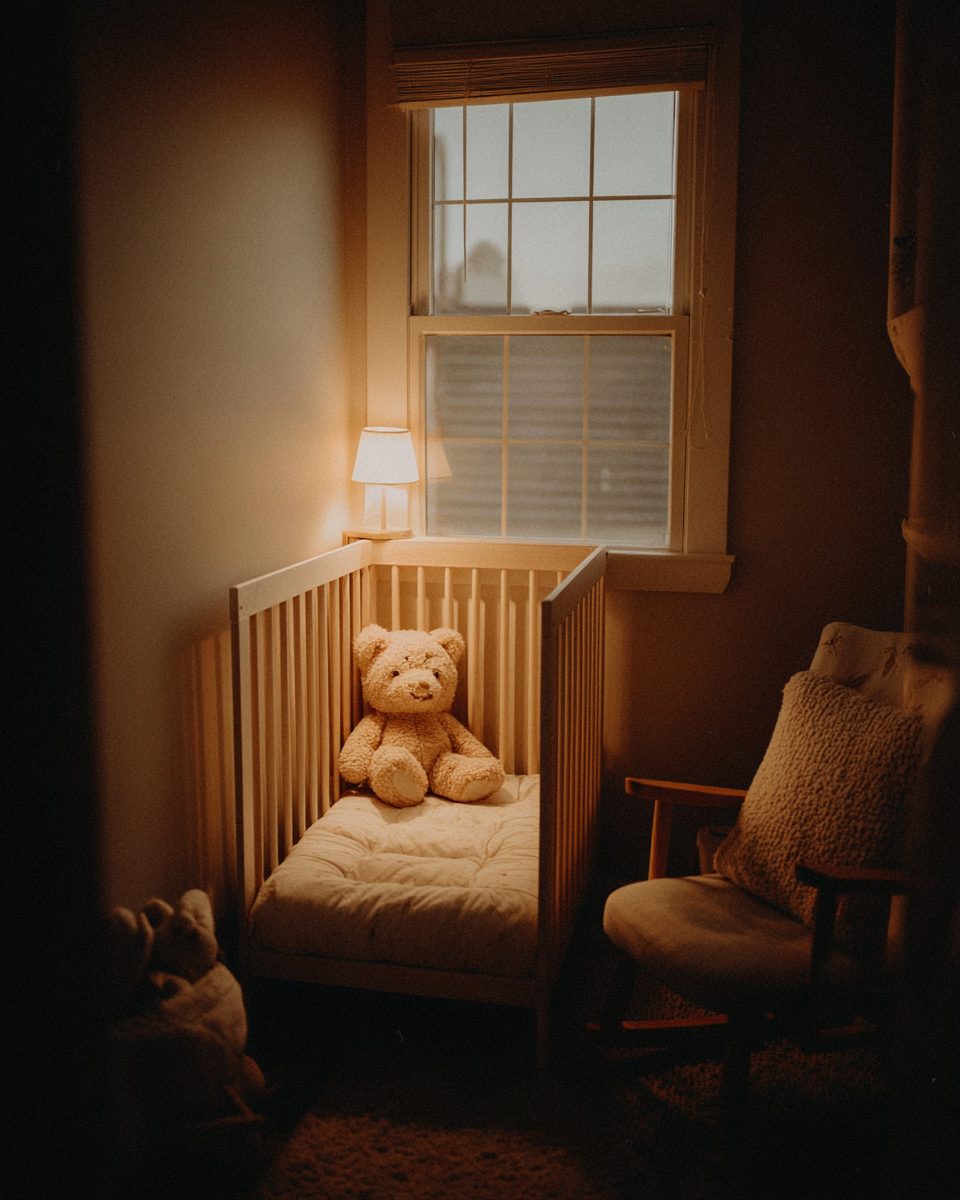
5 Proven Newborn Sleep Tips for Peaceful Nights (Even If You’re Exhausted)
Struggling to get your little one to sleep through the night can leave you feeling utterly exhausted. But with the right newborn sleep tips, you can create a peaceful bedtime routine that works for both you and your baby. In this article, you’ll discover five proven strategies that can help your newborn sleep soundly, giving you the much-needed rest you deserve.
As a parent, I completely understand the challenges of sleepless nights. Many new parents face this struggle, but the good news is that these tips have been tested and recommended by pediatric sleep experts. Let’s dive into these simple yet effective strategies that can transform your nights.
💰 Income range covered: N/A
⚡ Fastest method to start: Establishing a bedtime routine
👶 Mom-friendly: Yes — all tips are easy to implement
Why These Tips Work for New Parents
- ✅ Babies thrive on routine, and these tips help establish a calming bedtime schedule.
- ✅ Many of these strategies can be implemented in under 30 minutes, making them perfect for busy parents.
- ✅ Most tips require little to no additional cost, making them budget-friendly.
- ✅ Each method is designed to be beginner-friendly, perfect for first-time parents.
- ✅ These strategies can lead to better sleep quality for both you and your baby, often within a few days.
5 Proven Newborn Sleep Tips
1. Establish a Consistent Bedtime Routine — Create Predictability
💰 Earning potential: N/A | ⏱️ Time to first income: N/A | 💵 Startup cost: Free
This method allows your baby to recognize sleep cues and prepares them for bedtime. A consistent routine might include activities like a warm bath, gentle massage, and quiet time with a story or lullaby. For example, if you start the bedtime routine at 7 PM, your baby will learn to expect sleep around that time.
To start, choose a sequence of calming activities, and stick to them every night. Limit screen time and bright lights to help signal that it’s time to wind down. Remember, it might take a few days for your baby to adjust, so be patient and consistent.
💡 Pro Tip: Keep the environment calm and dimly lit to enhance the sleep-inducing atmosphere.
2. Optimize the Sleep Environment — Create a Sleep-Friendly Space
💰 Earning potential: N/A | ⏱️ Time to first income: N/A | 💵 Startup cost: Minimal
Creating a conducive sleep environment is crucial for your newborn. A dark, cool, and quiet room can significantly improve your baby’s sleep quality. Consider using blackout curtains and a white noise machine to drown out household sounds. Research shows that babies sleep better in a cool room (around 68°F).
To implement this, set up your nursery or sleeping area with these elements in mind. You can also use swaddles to keep your baby snug and secure, mimicking the comfort of the womb. Avoid any items that could pose a suffocation risk.
3. Pay Attention to Sleep Cues — Respond to Your Baby’s Signals
💰 Earning potential: N/A | ⏱️ Time to first income: N/A | 💵 Startup cost: Free
Every baby gives signs when they’re tired, such as yawning, rubbing their eyes, or fussing. By recognizing these cues, you can put your baby to sleep before they become overtired. An overtired baby may resist sleep, making the process longer and more frustrating.
Watch for signs about 15-30 minutes before your baby’s usual sleep time, and act quickly. The sooner you address these cues, the easier it will be for your baby to fall asleep. Patience is key, as it can take time for you to learn your baby’s unique signals.
4. Feed and Change Before Bedtime — Ensure Comfort
💰 Earning potential: N/A | ⏱️ Time to first income: N/A | 💵 Startup cost: Free
Making sure your baby is well-fed and comfortable before bed can help them sleep longer. A full tummy often leads to a more restful night. Additionally, ensure their diaper is clean to prevent discomfort during sleep.
To implement this, create a feeding and changing schedule that aligns with the bedtime routine. This could mean feeding your baby right before starting the calming activities leading up to sleep. However, avoid overfeeding, as this can lead to discomfort.
5. Be Patient and Stay Consistent — Trust the Process
💰 Earning potential: N/A | ⏱️ Time to first income: N/A | 💵 Startup cost: Free
Every baby is different, and it’s essential to remember that developing a sleep routine takes time. You may not see immediate results, and that’s okay. Consistency is vital, as babies thrive on repeated patterns and familiarity.
Stick to your chosen strategies for at least a couple of weeks before making any changes. If you remain consistent, your baby will start to recognize sleep cues and routines, leading to more peaceful nights for everyone involved.
Which Tip Should YOU Start With?
It can be overwhelming to choose the right strategy, especially with so many options available.
- 🕐 If you have less than 5 hours/week: Start with establishing a consistent bedtime routine.
- ⚡ If you need results within a few days: Optimize the sleep environment.
- 💰 If you want long-term improvements: Pay attention to your baby’s sleep cues.
- 👶 If your baby is fussy at bedtime: Ensure they are fed and changed before sleep.
- 🎓 If you’re feeling overwhelmed: Just focus on being patient and staying consistent.
Choose one method to start with, and remember that the key is to stick with it and adapt as needed.
Mistakes That Stop Most Parents From Helping Their Newborn Sleep
Many parents face challenges with newborn sleep, and it’s common to make mistakes that hinder progress.
- ❌ Skipping the bedtime routine: This leads to confusion for your baby, so stick to a consistent plan.
- ❌ Ignoring sleep cues: Missing these signs can lead to an overtired baby, making sleep harder.
- ❌ Changing methods too soon: It can take time for a new routine to work, so be patient.
- ❌ Overstimulating before bedtime: Avoid loud noises or bright screens that can disrupt sleep signals.
These mistakes are common, but by being aware, you can take steps to avoid them.
Frequently Asked Questions
Can newborns really sleep through the night?
Yes, many newborns can start sleeping longer stretches by 6-8 weeks, especially with the right newborn sleep tips.
How long does it take for a newborn to develop a sleep routine?
It typically takes 2-6 weeks for a newborn to adapt to a consistent sleep routine, depending on individual factors.
Do I need any special equipment for my baby’s sleep?
No, most effective sleep strategies require little to no special equipment, just a calm environment.
What if my baby resists sleep?
It’s normal for some babies to resist sleep. Try being consistent with the bedtime routine and adjusting the environment.
What is the best method for getting a newborn to sleep quickly?
Establishing a consistent bedtime routine is often the best way to help a newborn fall asleep quickly and peacefully.
Using these newborn sleep tips can transform your nights into peaceful ones, allowing you to recharge and enjoy your time with your little one. Remember that consistency is key, and your efforts will pay off as your baby learns to sleep through the night.
Which method will you try first? Tell us in the comments! 💬 And save this post to your ‘New Parent Tips’ board on Pinterest so you can come back to it!