
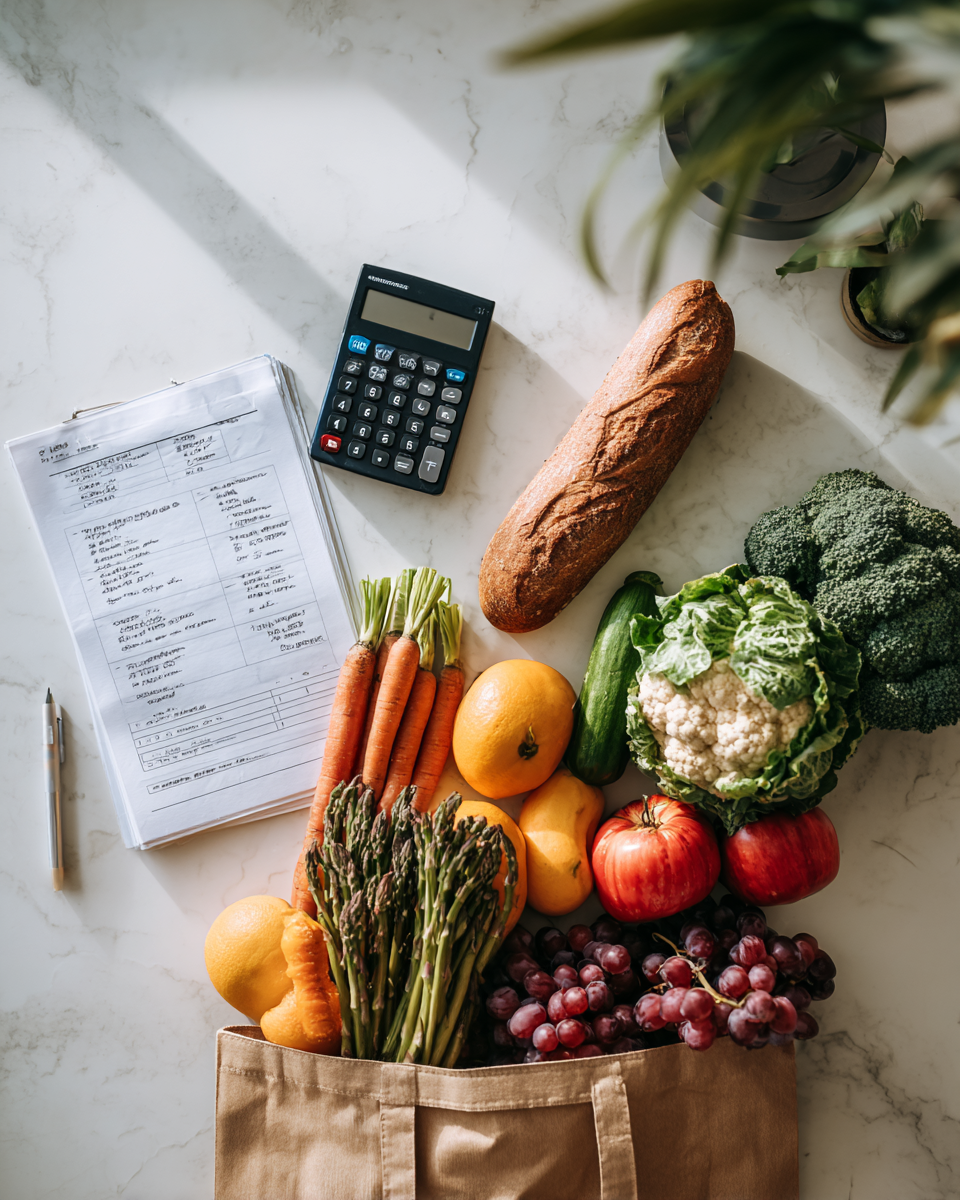
18 Effective Ways to Save Money on Groceries and Save $300 Every Month (Even If You’re Busy)
💰 Income range covered: Save $300/month
⚡ Fastest method to start: Meal planning
👶 Family-friendly: Yes — all methods are practical
Are you tired of watching your grocery bills skyrocket while trying to feed your family? Finding effective ways to save money on groceries can feel impossible, especially when you’re juggling busy schedules and kids. But here’s the good news: you can learn to save $300 every month with some simple strategies. In this article, you will discover 18 practical methods that families can use to cut down on grocery expenses.
I understand the struggle of trying to feed a family on a budget. Many families face the same challenge, and it’s easy to feel overwhelmed. Each method outlined in this guide has been tried and tested by real families looking to save money without sacrificing quality or nutrition.
Why These Methods Work for Families
- ✅ Meal planning can reduce food waste by up to 30%.
- ✅ Bulk buying allows you to save time and money on frequent trips.
- ✅ Utilizing coupons can save families an average of $50/month.
- ✅ Cooking at home is generally 5 times cheaper than eating out.
- ✅ Shopping with a list helps you avoid impulse buys.
18 Ways to Save Money on Groceries
1. Meal Planning — Cut Waste and Save Big
💰 Earning potential: Save $100/month | ⏱️ Time to first income: 1 week | 💵 Startup cost: Free
Meal planning lets you decide exactly what you need for the week, preventing impulse buys and reducing food waste. For example, families who meal plan can save at least $100 a month by only buying items they will use. Start by selecting recipes for the week and create a shopping list based on those meals.
To get started, choose a day to plan your meals, list out ingredients, and stick to the list while shopping. One common mistake is to deviate from the list, which can inflate your grocery bills.
💡 Pro Tip: Use seasonal produce in your meal plans to save extra money.
2. Use Coupons and Cashback Apps — Maximize Savings
💰 Earning potential: Save $50/month | ⏱️ Time to first income: Immediate | 💵 Startup cost: Free
Coupons and cashback apps can significantly reduce your grocery expenses. Many families save around $50 a month simply by clipping coupons and using apps like Ibotta or Rakuten. These platforms often provide cash back on groceries you would purchase anyway.
To maximize savings, make it a habit to check for available coupons before shopping. Some apps even allow you to scan your receipt for additional savings after the purchase. Remember, don’t buy items just because you have a coupon; they should align with your meal plan.
3. Buy in Bulk — Get More for Less
💰 Earning potential: Save $75/month | ⏱️ Time to first income: 1 week | 💵 Startup cost: Membership fee may apply
Buying in bulk can help families save money on staple items. For example, purchasing rice, beans, or pasta in bulk can lead to significant savings over time. Families have reported saving as much as $75 a month by incorporating bulk buying into their grocery routine.
Start by visiting wholesale stores like Costco or Sam’s Club. Prioritize buying items you use regularly and can store long-term. However, be cautious not to overbuy perishables that may go to waste.
4. Shop with a List — Avoid Impulse Buys
💰 Earning potential: Save $30/month | ⏱️ Time to first income: Immediate | 💵 Startup cost: Free
Shopping with a list can help you stay focused and avoid unnecessary purchases. Families that stick to a shopping list typically save around $30 each month. This approach ensures that you only purchase what you need for your planned meals and snacks.
To create an effective list, categorize items by grocery store sections. This will streamline your shopping experience and minimize the time spent in-store. Avoid shopping when you’re hungry, as this often leads to impulse buys.
5. Cook at Home — Save Money and Eat Healthier
💰 Earning potential: Save $200/month | ⏱️ Time to first income: Immediate | 💵 Startup cost: Free
Cooking at home can save families up to five times the cost of dining out. By preparing meals from scratch, families can save around $200 each month. This not only helps save money but also encourages healthier eating habits.
Start with simple recipes and gradually build your cooking skills. Batch cooking is a great way to save time and ensure you always have meals ready. Avoid relying on pre-packaged meals, which can be more expensive and less nutritious.
6. Buy Generic Brands — Quality Without the Price Tag
💰 Earning potential: Save $40/month | ⏱️ Time to first income: Immediate | 💵 Startup cost: Free
Choosing generic or store-brand products can save families up to 25% compared to name brands. Many families save around $40 a month just by switching to generic items. These products often have comparable quality but at a fraction of the cost.
When shopping, compare prices and product reviews to ensure you’re getting the best quality for your money. Don’t hesitate to try generic brands for staples like flour, sugar, and canned goods.
7. Utilize Leftovers — Reduce Waste and Save Money
💰 Earning potential: Save $50/month | ⏱️ Time to first income: Immediate | 💵 Startup cost: Free
Using leftovers creatively can save families significant amounts on groceries. By repurposing meals, you can save around $50 every month. For instance, leftover roast chicken can be turned into soup or tacos the next day.
To maximize leftovers, store them properly and mark them with dates. This will help you remember to use them before they spoil. Creating a “leftover night” each week can also encourage creativity in the kitchen.
8. Plan for Sales — Take Advantage of Discounts
💰 Earning potential: Save $60/month | ⏱️ Time to first income: 1 week | 💵 Startup cost: Free
Planning your meals around weekly sales can lead to substantial savings. Families who plan their grocery lists based on sales can save around $60 a month. Check local grocery store flyers or websites for weekly discounts before shopping.
Stock up on items that are on sale and that you frequently use. However, avoid buying items you don’t need just because they are discounted.
9. Grow Your Own Herbs and Vegetables — Fresh and Affordable
💰 Earning potential: Save $30/month | ⏱️ Time to first income: 1 month | 💵 Startup cost: Low
Growing your own herbs and vegetables can significantly reduce your grocery bills. Families have saved around $30 a month by incorporating homegrown produce into their meals. Even a small balcony can be used for container gardening.
Start with easy-to-grow herbs like basil, cilantro, or parsley. These can enhance your meals while saving you money. Remember to research what grows well in your climate to maximize your yield.
10. Shop Seasonally — Enjoy Fresh Produce at Lower Prices
💰 Earning potential: Save $50/month | ⏱️ Time to first income: Immediate | 💵 Startup cost: Free
Shopping for seasonal produce can lead to significant savings. Buying fruits and vegetables that are in season can save families around $50 a month. This practice not only saves money but also ensures that you are eating fresh and nutritious food.
To find out what’s in season, check local farmers’ markets or grocery store guides. Seasonal items are often cheaper and taste better, making this an easy way to enhance your meals.
11. Use a Slow Cooker — Save Time and Money
💰 Earning potential: Save $30/month | ⏱️ Time to first income: Immediate | 💵 Startup cost: Free
A slow cooker can be a game-changer for busy families looking to save money. By using cheaper cuts of meat and cooking them slowly, families can save around $30 a month. This method also allows for easy meal preparation.
Start with simple recipes and use ingredients you already have. Cooking in bulk can also provide leftovers for future meals, further maximizing your savings.
12. Check Unit Prices — Get the Best Deal
💰 Earning potential: Save $20/month | ⏱️ Time to first income: Immediate | 💵 Startup cost: Free
Comparing unit prices helps families identify the best deals and save money. By doing this, families can save around $20 a month. Unit pricing is typically displayed on the shelf label, making it easy to compare similar products.
Make it a habit to check unit prices while shopping. This small effort can lead to big savings, especially when buying in bulk.
13. Avoid Pre-Packaged Foods — Save on Costs
💰 Earning potential: Save $50/month | ⏱️ Time to first income: Immediate | 💵 Startup cost: Free
Pre-packaged foods often come with higher price tags and fewer nutrients. Families can save around $50 a month by avoiding these products and preparing meals from scratch. This also encourages healthier eating habits.
Instead of buying frozen meals, try making large batches of homemade meals and freezing portions for later. This method ensures that you always have something healthy on hand without the extra cost.
14. Use a Price Book — Track Grocery Costs
💰 Earning potential: Save $30/month | ⏱️ Time to first income: 1 month | 💵 Startup cost: Free
Keeping a price book helps families track grocery costs over time. By knowing which stores have the best prices for your favorite items, families can save around $30 a month. This practice also helps you identify trends in pricing.
Start by recording the prices of common items you purchase and compare them across different stores. This will help you make informed choices about where to shop.
15. Take Advantage of Loyalty Programs — Earn Rewards
💰 Earning potential: Save $20/month | ⏱️ Time to first income: Immediate | 💵 Startup cost: Free
Many grocery stores offer loyalty programs that provide discounts and rewards. By signing up, families can save around $20 a month through exclusive deals and promotions. These programs often feature additional savings on items you frequently buy.
Always use your loyalty card when shopping, and keep an eye out for special promotions that can maximize your savings. Just be cautious not to buy items you don’t need just because they are discounted for loyalty members.
16. Pack Your Lunch — Save on Dining Out
💰 Earning potential: Save $100/month | ⏱️ Time to first income: Immediate | 💵 Startup cost: Low
Packing lunches instead of buying lunch at work or school can save families around $100 a month. This practice not only saves money but also allows you to control what you eat.
Prepare meals in advance and invest in a good lunchbox. Include healthy snacks to avoid the temptation of buying food on the go. This can also help your kids develop good eating habits.
17. Host Potlucks — Share Meals and Costs
💰 Earning potential: Save $40/month | ⏱️ Time to first income: Immediate | 💵 Startup cost: Low
Organizing potlucks can be a fun way to share meals with friends and family while saving money. You can save around $40 a month by participating in potlucks instead of cooking large meals at home.
Invite friends over and ask each person to bring a dish. This not only saves money but also allows everyone to enjoy a variety of foods without the burden of cooking everything yourself.
18. Shop Online — Take Advantage of Discounts
💰 Earning potential: Save $50/month | ⏱️ Time to first income: Immediate | 💵 Startup cost: Free
Shopping for groceries online can help families stick to their budgets and save money. By avoiding impulse purchases in-store, families can save around $50 a month. Many online grocery services also offer exclusive discounts.
Set up an online account with your favorite grocery store and take advantage of their delivery or pickup services. Make sure to stick to your shopping list to avoid overspending.
Which Method Should YOU Start With?
The number of options available can feel overwhelming when trying to save money on groceries.
- 🕐 If you have less than 5 hours/week: Start with Meal Planning.
- ⚡ If you need savings within 7 days: Try Using Coupons and Cashback Apps.
- 💰 If you want long-term savings: Go with Buying in Bulk.
- 👶 If you have young children: Packing Lunch is best.
- 🎓 If you have zero experience: Begin with Shopping with a List.
Remember, the key is to pick one method and start implementing it today!
Mistakes That Stop Most Families From Saving on Groceries
It’s common to make mistakes while trying to save money on groceries, and these errors often lead to frustration.
- ❌ Not meal planning: This leads to impulse buys and wasted food; always plan your meals ahead.
- ❌ Ignoring unit prices: This can result in spending more; always compare prices before purchasing.
- ❌ Buying only brand-name products: This can significantly increase costs; try generic brands instead.
- ❌ Shopping without a list: This often leads to overspending; always create and stick to your grocery list.
By avoiding these common pitfalls, you’ll be better positioned to maximize your savings.
Frequently Asked Questions
Can I really save $300 a month on groceries?
Yes — many families successfully save $300/month by implementing effective budgeting strategies and shopping smartly.
How long does it take to see savings on groceries?
Most families can see savings within the first month by adopting these methods consistently.
Do I need cooking skills to save money on groceries?
No, basic cooking skills are enough. Start with simple recipes and gradually try more complex dishes.
How can I avoid feeling overwhelmed with these tips?
Start small by choosing just one or two methods that resonate with you and gradually incorporate more.
What is the best method to start saving on groceries?
Meal planning is often the most effective way to save money and manage your grocery budget.
Learning how to save money on groceries can transform your monthly budget and allow for more financial flexibility. By implementing even a few of these methods, you can significantly decrease your grocery expenses. Start with meal planning this week and watch your savings grow!
Which method will you try first? Tell us in the comments!
And save this post to your “Money-Saving Tips” board on Pinterest so you can come back to it!