10 Effective Ways to Teach Kids Responsibility With Simple Daily Chores (Even If They Resist)
Kids often resist taking on responsibilities, leading to frustration for parents trying to instill a sense of accountability. But here’s the truth: teaching kids responsibility through simple daily chores can be both effective and enjoyable. In this article, you’ll discover ten practical methods to help your children embrace responsibility while developing essential life skills.
I understand that getting kids involved in chores can feel like an uphill battle. However, thousands of parents have successfully implemented these strategies with their children. You’ll find actionable tips that can be easily integrated into your daily routine, helping your kids grow into responsible individuals.
👶 Kid-friendly: Yes — all chores are age-appropriate
Why These Methods Work for Kids
- ✅ Kids learn valuable life skills—such as time management and organization.
- ✅ Chores can be tailored to fit their age and abilities, making them manageable.
- ✅ Responsibility boosts their self-esteem and confidence when they accomplish tasks.
- ✅ Involving kids in chores establishes a routine, providing a sense of security.
- ✅ Teaching responsibility early sets the foundation for future independence.
10 Ways to Teach Kids Responsibility With Simple Daily Chores
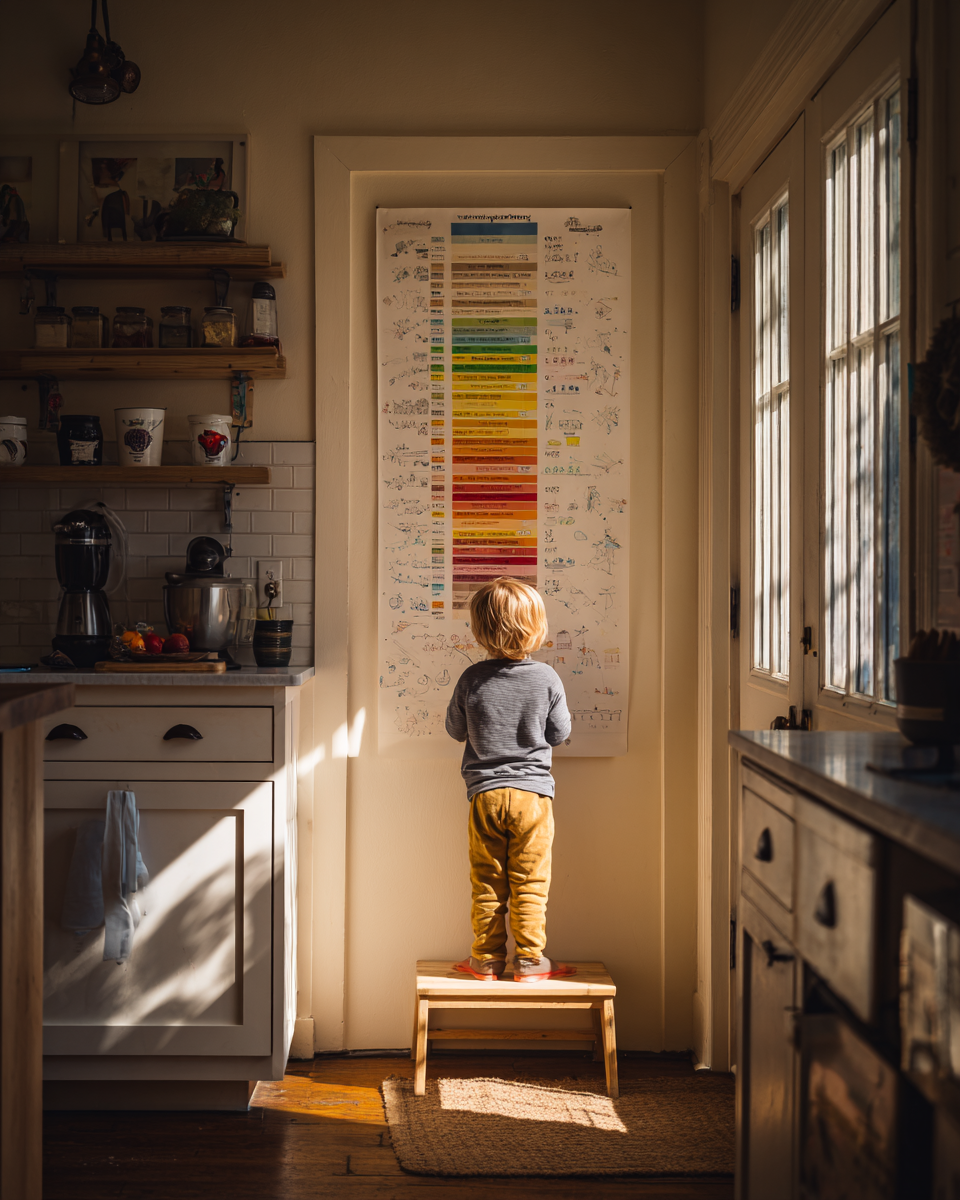
1. Make a Chore Chart — Visualize Their Progress
💰 Earning potential: N/A | ⏱️ Time to first income: N/A | 💵 Startup cost: Free
You can create a chore chart that visually displays daily tasks for your kids. This method works well for younger children who respond positively to visual aids. For example, children can earn stickers for completing chores, which can lead to rewards.
To start, list age-appropriate chores and display them prominently in your home. Make sure to review the chart with your kids regularly to track their progress and celebrate their achievements.
💡 Pro Tip: Use colorful stickers or markers to make the chart visually appealing, which can motivate your kids to engage with it.
2. Set a Routine — Establish Consistency
💰 Earning potential: N/A | ⏱️ Time to first income: N/A | 💵 Startup cost: Free
This method lets you integrate chores into your kids’ daily routines. Children thrive on consistency, and establishing a set time for chores helps them understand that these tasks are part of their responsibilities. For example, assign a specific time after dinner for washing dishes or tidying up.
To implement this, create a daily schedule that includes chores, and ensure everyone in the family is aware of it. Consistency will help your kids develop a habit of completing chores without being reminded.
3. Be a Role Model — Show Them How It’s Done
💰 Earning potential: N/A | ⏱️ Time to first income: N/A | 💵 Startup cost: Free
Kids learn best through observation, so demonstrate the importance of chores by participating in them alongside your children. This method fosters teamwork and shows that everyone contributes to the household. For example, while cleaning the living room, invite your child to help you.
As you work together, explain why each task is important, reinforcing the idea that chores are a shared responsibility.
4. Offer Choices — Empower Their Decision-Making
💰 Earning potential: N/A | ⏱️ Time to first income: N/A | 💵 Startup cost: Free
Empower your kids by allowing them to choose their chores. This method makes them feel more in control and responsible for their tasks. For example, let them choose between washing dishes or vacuuming the living room.
To implement this, present a list of chores and ask your kids to select which ones they prefer. This gives them a sense of ownership and increases their willingness to complete the tasks.
5. Make It Fun — Turn Chores into Play
💰 Earning potential: N/A | ⏱️ Time to first income: N/A | 💵 Startup cost: Free
You can turn chores into a game that makes responsibility enjoyable. Kids are more likely to engage in tasks that feel like play rather than work. For instance, set a timer and challenge them to complete chores before the time runs out.
To start, explain the game rules and set achievable goals. Celebrate their successes to reinforce positive behavior and make chores a fun experience.
6. Create a Reward System — Recognize Their Efforts
💰 Earning potential: N/A | ⏱️ Time to first income: N/A | 💵 Startup cost: Free
Implement a reward system to recognize your children’s efforts in completing chores. This method encourages them to take responsibility and reinforces positive behavior. For example, after a week of consistent chore completion, allow them to choose a small reward, like a family movie night.
To set up a reward system, define clear expectations and rewards. This transparency will motivate your kids to take their responsibilities seriously.
7. Start Small — Gradually Increase Responsibilities
💰 Earning potential: N/A | ⏱️ Time to first income: N/A | 💵 Startup cost: Free
Begin with small, manageable chores that are appropriate for your child’s age. This method helps avoid overwhelming them and builds confidence as they successfully complete tasks. For instance, a toddler can start by putting away toys, while older children can take on more complex tasks like laundry.
Gradually increase the complexity of the chores as they gain confidence and skills. This will help them develop a sense of accomplishment over time.
8. Involve Them in Planning — Encourage Ownership
💰 Earning potential: N/A | ⏱️ Time to first income: N/A | 💵 Startup cost: Free
Involve your kids in planning household chores and responsibilities. This method encourages them to take ownership of their tasks and feel invested in the household. For example, ask them to help create a weekly meal plan that includes their chores.
To implement this, hold a family meeting where everyone can share their ideas and preferences. This will help foster a sense of teamwork and responsibility.
9. Discuss the Benefits — Teach the Importance of Responsibility
💰 Earning potential: N/A | ⏱️ Time to first income: N/A | 💵 Startup cost: Free
Take the time to discuss why responsibilities and chores are important for personal growth. This method helps kids understand the value of their contributions and how it impacts the family as a whole. For instance, explain how maintaining a clean home creates a healthy environment.
To encourage this discussion, create an open atmosphere where kids feel comfortable asking questions and sharing their thoughts. This reinforces the importance of responsibility in their lives.
10. Celebrate Successes — Acknowledge Their Efforts
💰 Earning potential: N/A | ⏱️ Time to first income: N/A | 💵 Startup cost: Free
Recognizing and celebrating your kids’ successes in completing chores is essential for reinforcing positive behavior. This method boosts their self-esteem and motivates them to continue taking on responsibilities. For example, after a successful week of chores, have a family celebration.
To implement this, make it a habit to acknowledge their efforts regularly. Simple praise can go a long way in encouraging them to continue being responsible.
Which Method Should YOU Start With?
Choosing the right method can feel overwhelming with so many options available. Here’s how to simplify the decision-making process:
- 🕐 If you have less than 10 minutes a day: Start with the Chore Chart.
- ⚡ If you want to see results within a week: Try the Reward System.
- 💰 If you want long-term responsibility: Go with Involving Them in Planning.
- 👶 If you have a toddler at home: Start with small chores.
- 🎓 If you have older kids: Discuss the benefits of responsibility.
Remember, the key is to pick one method and start implementing it today.
Mistakes That Stop Most Parents From Teaching Kids Responsibility
It’s common for parents to make mistakes when trying to instill responsibility in their children, and it’s not their fault.
- ❌ Expecting perfection: Kids are learning, so focus on progress instead of perfection.
- ❌ Overloading them with tasks: Start with small, manageable chores to avoid overwhelming them.
- ❌ Not providing guidance: Kids need your support and guidance to understand their responsibilities.
- ❌ Failing to celebrate successes: Acknowledge their efforts to boost motivation and confidence.
By avoiding these common mistakes, you’ll be better equipped to teach your kids responsibility effectively.
Frequently Asked Questions
Can chores really teach kids responsibility?
Yes! Teaching kids responsibility through chores helps them develop essential life skills and boosts their self-esteem.
How long does it take for kids to learn responsibility through chores?
It varies, but children can start grasping the concept of responsibility within a few weeks of consistent practice.
Do I need to supervise my kids while doing chores?
Initially, yes, but as they gain confidence, you can gradually reduce your supervision.
What if my child refuses to do chores?
This is common. Try making chores fun or providing incentives to encourage participation.
What is the best age to start assigning chores?
Kids can start assisting with simple chores around age 2 or 3, gradually increasing responsibility as they grow.
Teaching kids responsibility with simple daily chores is a rewarding journey that benefits both parents and children. By implementing these strategies, you can help your kids grow into responsible individuals capable of managing their own tasks. Choose one method to start with today, and watch your children flourish!
Which method will you try first? Tell us in the comments!
Save this post to your “Parenting Tips” board so you can come back to it!